How NASA confirmed Voyager 1 was a light-day away without its science data
Voyager 1 crossed the threshold on November 18. Its radio signal took about 24 hours to reach Earth, and NASA used it alongside trajectory calculations to confirm the distance.
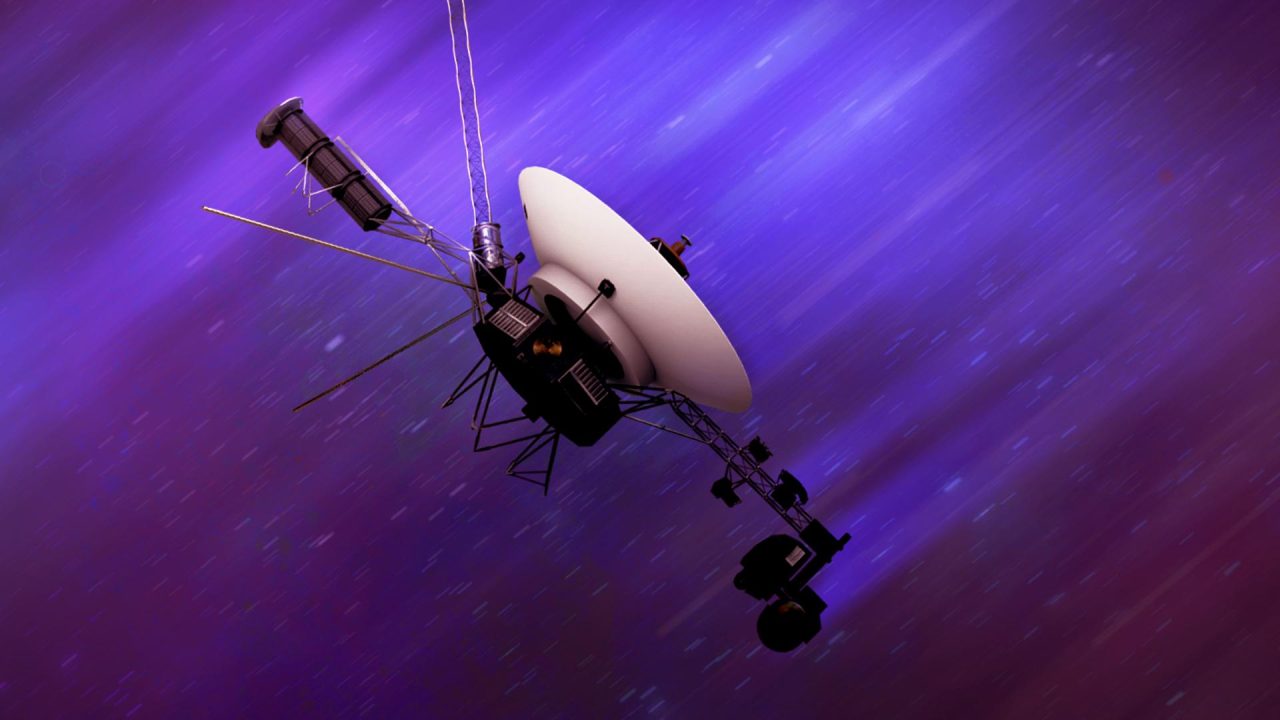
Voyager 1 reached a distance of one light-day from Earth on November 18, 2026. NASA puts the crossing at 10:16 UTC. The Jet Propulsion Laboratory team received a radio signal from the spacecraft about 24 hours later, early on November 19, and used it alongside trajectory calculations to confirm the milestone.
Confirming the distance did not require a fresh stream of science data. In its November 19 announcement, NASA said the team had not received science or engineering data since November 14, but was still receiving a radio carrier. The carrier, the radio wave that normally carries those data, was not the same thing as receiving the measurements or status reports themselves. NASA said engineers were still investigating the data problem at the time of the announcement.
A light-day is a distance, not a measure of how long Voyager has been flying. It is the distance light travels in 24 hours in a vacuum, about 25.9 billion kilometres or 16.1 billion miles. The figure is measured from Earth for this milestone.
That distance also changes the pace of troubleshooting. At roughly one light-day, a command and a returning signal would take about 48 hours in transit altogether: one day out and one day back. That is signal travel time only. It does not tell engineers when a response will be ready or whether full data will arrive.
 프리즘코리아 편집국 > Alex Rowan