
Macao's first national security verdict came after a closed trial; Hong Kong's came in open court
Within 24 hours, courts in Hong Kong and Macao handed down national security sentences. The two cases differ most in how much the public could see of the process.
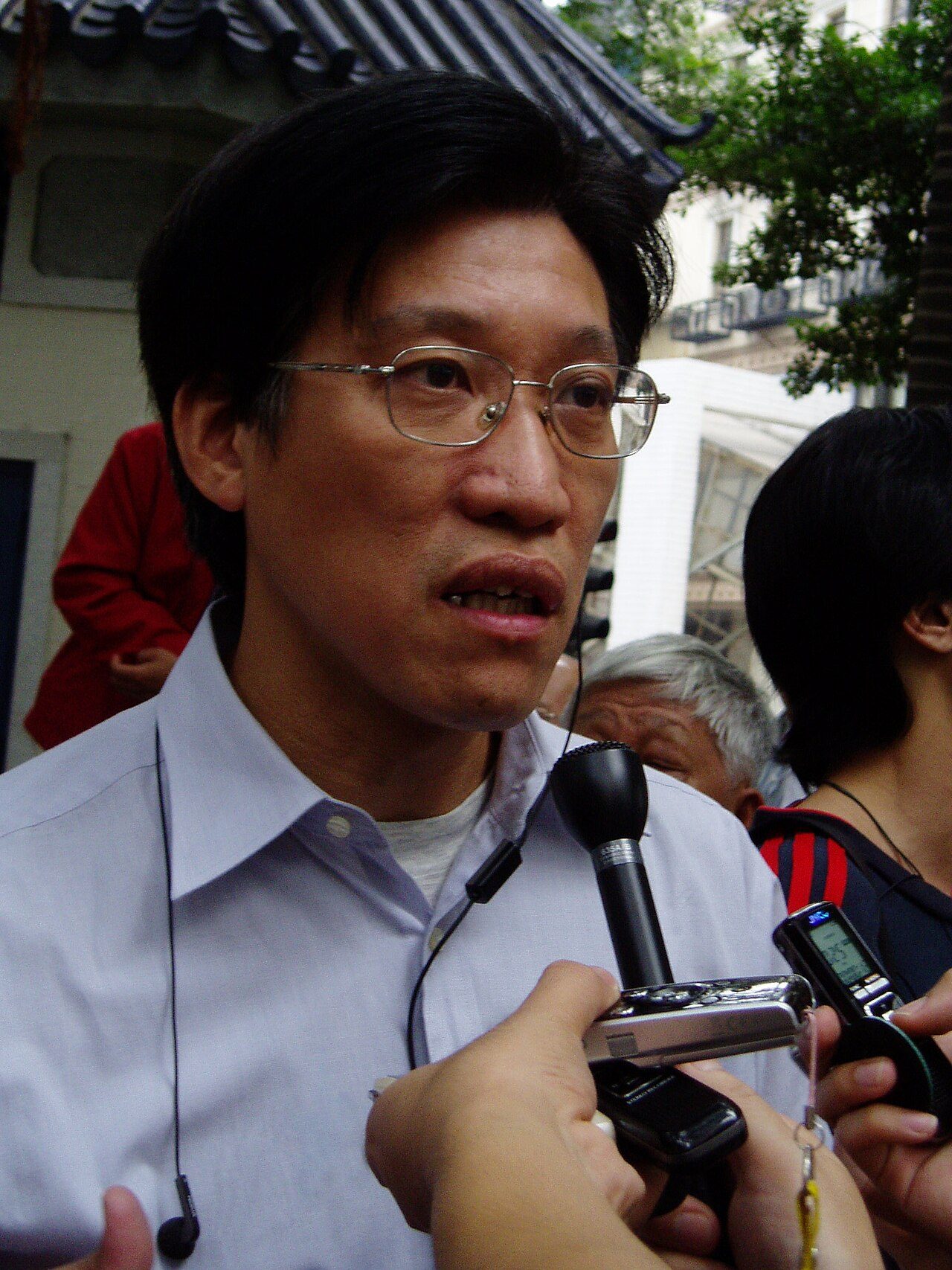
A court in Macao on Friday, Nov. 6, 2026, sentenced Au Kam San, a 69-year-old former pro-democracy lawmaker, to 12½ years in prison, according to The Associated Press. The AP described it as the first national security case in Macao, whose national security law dates to 2009. The day before, Hong Kong's High Court sentenced activist Joshua Wong to a further 10 years, Euronews reported. The two rulings are linked by their legal subject but differ sharply in how openly they were reached.
In Macao, the trial was held behind closed doors in September. The AP reports that the judge said an open trial would undermine national security interests, and that the request came from the Public Prosecutions Office and was confirmed by the city's national security committee, which is led by Chief Executive Sam Hou Fai. What the public has is the court's findings and the statements around them, not the proceedings themselves.
Those findings, as relayed by the AP, say Au was convicted of subverting state power, breaching confidentiality, and contacting organizations or people outside Macao to commit acts endangering national security. The court found that in 2023 and 2024 he helped overseas organizations spread false information to push foreign countries toward hostile actions against China and Macao, incite hatred of the central government and disrupt the 2024 election for the city's leader. It also found that in 2021, as a lawmaker, he leaked confidential information from closed-door committee meetings on gaming license renewals to overseas groups. The court called him a first-time offender who admitted much of the conduct, but said he showed a high degree of intent and that the offenses were very serious.
Hong Kong's case was heard differently. Wong pleaded guilty to colluding with foreign forces, a charge brought in June 2025 under the Beijing-imposed national security law, Euronews reported. Authorities said he sought to bring about sanctions against Hong Kong and China. Judge William Tam found the offense grave enough to carry a possible life sentence, set a starting point of 13 years and cut it to 10 because of the guilty plea. The court called Wong and Nathan Law, an exiled activist wanted by authorities, "two ring-leaders or masterminds" of a conspiracy. Wong had been serving 4 years and 8 months for subversion and was expected to be freed in January; he is now not due for release until late 2036, Euronews said.
In Macao, the court and Au's family give conflicting accounts of his treatment, and neither can be checked against the closed hearing. The court said a lawyer approved by Au was appointed, that he exercised his right to a defense, and that his family was approved to visit regularly. His wife, Virginia Cheang, called the case "a political trial" and "groundless persecution" in a public letter. His daughter, Au Hon I, who lives in London, said the family's chosen lawyer was barred from seeing him and that the family had not spoken with him for almost a year, the AP reported. His international counsel, Michael Polak, said the proceedings "cannot be described as a trial or conviction in any meaningful sense."
Reactions followed familiar lines. Human Rights Watch's deputy Asia director, Maya Wang, called Au's sentence "harsh" and said it sends a chilling message to peaceful critics, urging Portugal, the European Union and other governments to press for his release. Polak said Au is a Portuguese citizen and urged Portugal and the EU to demand he be allowed to leave Macao. The Macao government supported the ruling and said it would keep enforcing the law strictly, while Beijing's Hong Kong and Macao Affairs Office said the verdict showed Macao's resolve to safeguard national security. On Wong's case, Human Rights Watch called the sentence "cruel and unjust," Hong Kong police welcomed it, the United States condemned it, and China's foreign ministry warned against "irresponsible" remarks about Hong Kong's judicial affairs.
The cases sit in different political settings. Hong Kong's law was imposed in 2020, after which opposition groups disbanded and activists fled, and media tycoon Jimmy Lai received 20 years in February 2026 under it, according to Euronews. Macao's democracy movement has historically been far less influential than Hong Kong's, the AP notes, and many considered Au's criticisms of the government mild. Au, a former teacher, served about 20 years in a legislature dominated by Beijing loyalists and organized Macao's commemoration of the 1989 Tiananmen crackdown.
The reports reviewed here do not say whether either man will appeal, nor do they carry any response from Portugal or the EU to the verdict on a Portuguese citizen. Without a public record of the Macao hearing, the gap between the court's account and the defense's is likely to remain unresolved.
 프리즘코리아 편집국 > Adrian Cole




