Korea–Mexico defense and police memoranda set separate paths, with operations unproven
The Korea–Mexico summit produced distinct defense and police cooperation memoranda. The public plan outlines dialogue, information sharing and possible industrial work, while President Lee described ambitions for equipment production and transnational crime cooperation. Neither source documents a weapons contract, joint investigation or operational data-sharing protocol.
South Korea and Mexico adopted separate memoranda on defense and policing in connection with their September 24 summit, but the published action plan leaves the operational steps to be demonstrated later. Its annex names a memorandum among Korea's defense ministry and Mexico's defense and navy secretariats, and another between Korea's national police and Mexico's security and citizen protection secretariat. The two agreements involve different agencies and different purposes. Neither entry identifies a weapons purchase, a joint criminal investigation or a deployed unit.
The 2026–2030 Joint Action Plan describes defense cooperation in four broad areas: policy dialogue, personnel exchanges, research and development, and defense industry cooperation. President Lee Jae Myung's summit statement adds that the two sides would share experience in education, training and research. He also said they would explore how Korean technology could contribute to production of military equipment in Mexico and potential entry into third-country markets. That statement is an ambition for industrial cooperation. The action plan and speech reviewed here give no equipment model, manufacturer contract, price, production site or delivery date.
The distinction between a memorandum and a procurement decision matters for both countries. A defense memorandum can establish a channel for discussion without obliging either government to buy a particular system. Lee's reference to Mexico's military modernization signals what Korea hopes the relationship may support; it does not establish that Mexico has selected a Korean supplier. Future evidence would include a named implementing agency, tender or contract record, financing and a timetable. The published summit material does not supply those records.
The policing clause has a different stated objective. The action plan calls for a strategic mechanism between the Korean National Police Agency and Mexico's Secretariat of Security and Citizen Protection to cooperate on peace and security, share information and exchange practices against transnational crime. Its annex labels the related memorandum as one on strategic cooperation, police intelligence and technological advancement. Lee's speech mentions online fraud, trafficking in persons and drug-related crime as examples of the threats officials hope to address. It does not report a completed joint case or specify a new database, the categories of data to be shared, access safeguards or an operational start date.
Those absences limit what can be said about results. Information sharing may eventually require agencies to agree on methods and legal controls, but the public action plan does not publish a protocol for personal data, investigative requests or oversight. Nor does the phrase “technological advancement” prove that a particular surveillance or analytical product has been transferred. A subsequent agency notice, case record or publicly described technical arrangement would be needed to substantiate a claim of implementation. Until then, the available documents support a framework for possible cooperation.
The summit's institutional map also cautions against treating all security topics as one deal. The defense memorandum lists three ministries or secretariats with military responsibilities. The police memorandum connects a Korean law-enforcement agency to Mexico's civilian security secretariat. The anti-corruption chapter is yet another track, linking Korea's Anti-Corruption and Civil Rights Commission with Mexico's Ministry of Anti-Corruption and Good Governance on methods, education and integrity. Each has a different purpose and would need separate evidence of work carried out.
For readers tracking the agreements after the summit, the immediate questions are concrete: whether defense agencies announce a calendar of exchanges, whether any industrial discussion becomes a procurement or production agreement, and whether police authorities describe a lawful information-sharing process or a documented joint outcome. The September plan and Lee's statement establish the political commitment and the identities of the institutions. They do not establish the later milestones. Earlier English reporting on the same summit examined the 2027 development forum, revived joint committee and APEC AI review; this account follows the distinct defense and policing clauses.
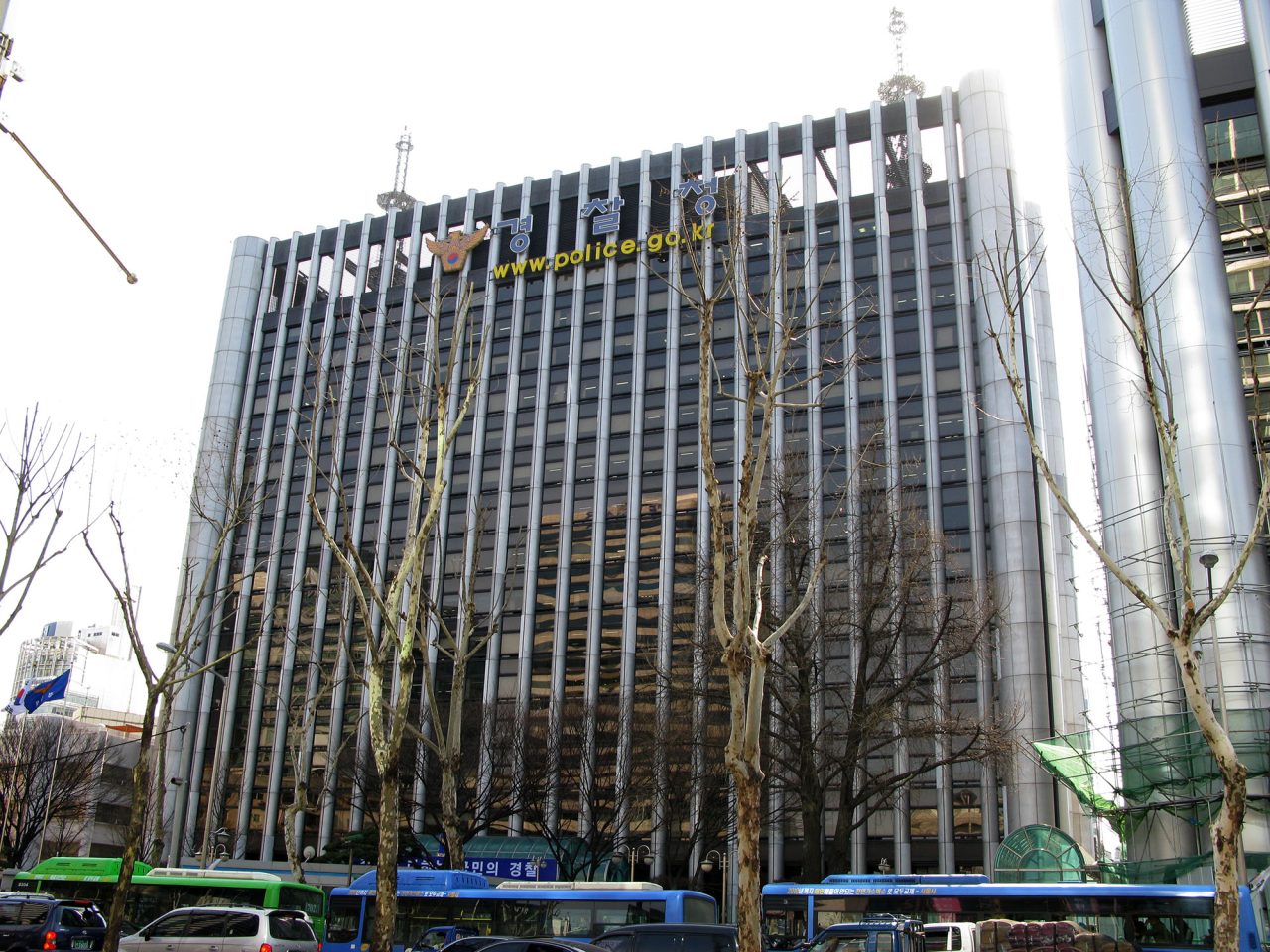
The accompanying image is a 2009 archival view of the Korean National Police Agency building in Seoul, credited to G43 via Wikimedia Commons under CC BY 3.0. It is institutional context only, not a photograph of the 2026 summit, a police exchange or a defense project.
 프리즘코리아 편집국 > 윤도현 · Dohyun Yun