Korea–Mexico customs pact promises risk sharing; joint inspections are not yet shown
A September 24 customs memorandum and the summit action plan call for cargo-risk information exchange, inspection know-how and a working group. Korea's customs agency also describes discussions on narcotics, counterfeits and clearance problems. The public documents do not establish a joint operating system, a seizure result or faster clearance for a particular company.
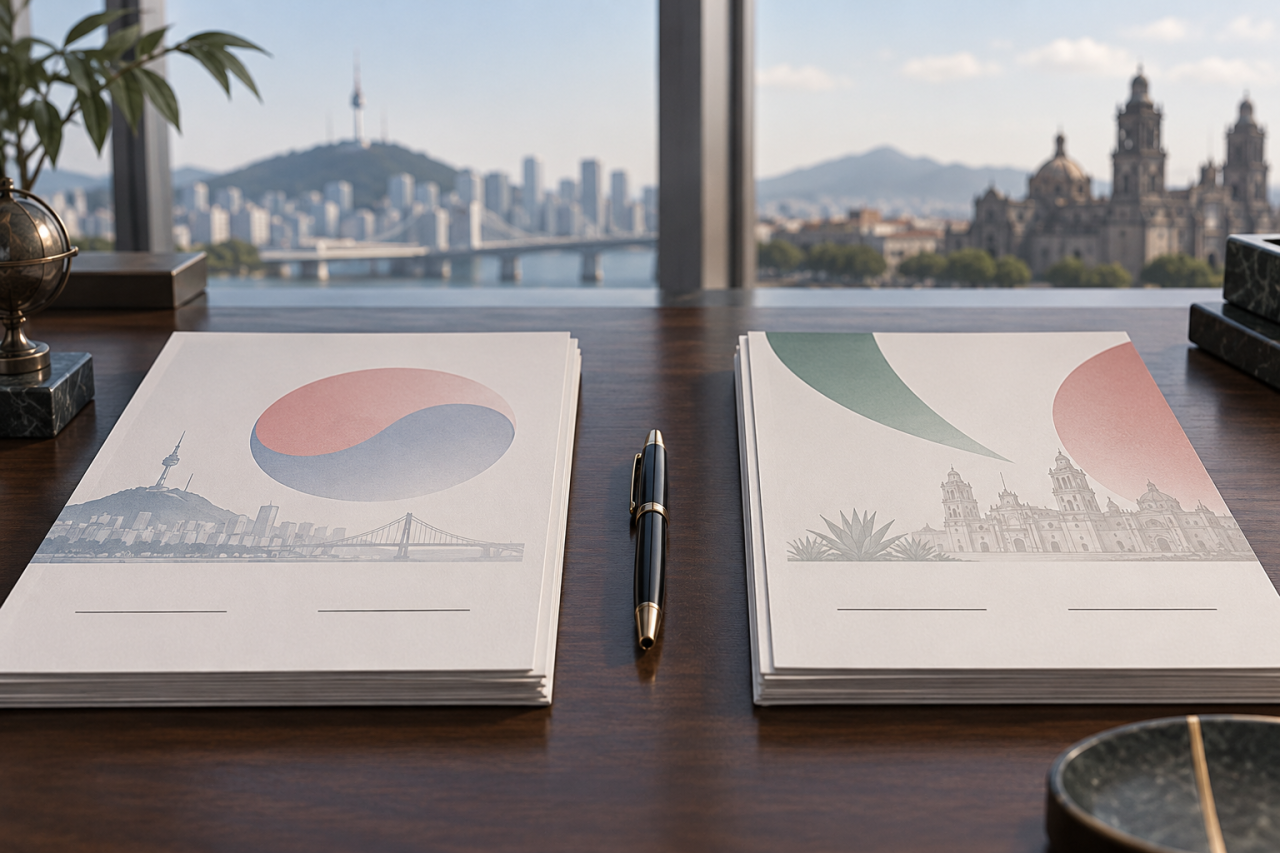
South Korea and Mexico have moved a customs cooperation pledge from the summit's broad action plan into a signed memorandum. Korea Customs Service says its commissioner and the head of Mexico's National Customs Agency, ANAM, concluded an information-exchange and mutual-assistance memorandum in Mexico City on September 24, during President Lee Jae Myung's state visit. The signing is a verifiable diplomatic step. It does not, by itself, demonstrate that the two agencies have begun exchanging operational data or conducting joint inspections.
The 2026–2030 Korea–Mexico Joint Action Plan calls for a working group between the customs authorities. It identifies two areas of cooperation: exchanging risk information about suspect cargo, and sharing knowledge and experience in AI-based customs administration. The customs agency's subsequent account is more specific about the memorandum. It lists risk information for cargo selection, examples of port inspection practice, experience with AI-based equipment and digital tools, and staff education and training. Those are fields of cooperation, not a disclosed technical specification for a shared database or an announced procurement contract.
The Korean agency linked the agreement to efforts against narcotics and counterfeit goods that infringe intellectual-property rights. It said commissioner Lee Jong-wook discussed rapid sharing of drug-risk information and major smuggling routes with his Mexican counterpart, Héctor Alonso Romero Gutiérrez. He also raised customs information on counterfeit Korean-brand products, particularly as Korean beauty and food products gain attention abroad. These descriptions come from the Korean agency's public account of the meeting. They are proposals and stated enforcement priorities; the release supplies no number of seizures caused by the new memorandum.
Trade facilitation was on the same agenda. Korea Customs Service says Lee explained clearance difficulties reported by Korean companies operating in Mexico and sought ANAM's cooperation. The release also says the two chiefs discussed origin laundering and indirect exports. For businesses, the distinction matters: discussing a clearance problem does not change a published customs rule or prove that a particular shipment will be processed faster. A claim of concrete relief would require an identified rule change, a new service procedure or measurable clearance data from the competent authority.
The summit plan and the signed memorandum serve different purposes. The plan places customs in a wider government-to-government agenda that also covers finance, development cooperation and technology; its customs paragraph specifies a future working group. The memorandum is a separate agency-level instrument that Korea Customs Service says was signed at the summit. Public summaries identify broad topics but do not publish a timetable for the working group, the categories of data that may be transferred, access safeguards or a method for judging whether sharing improved inspections. It would be premature to infer any of those operational terms from a general commitment to use AI.
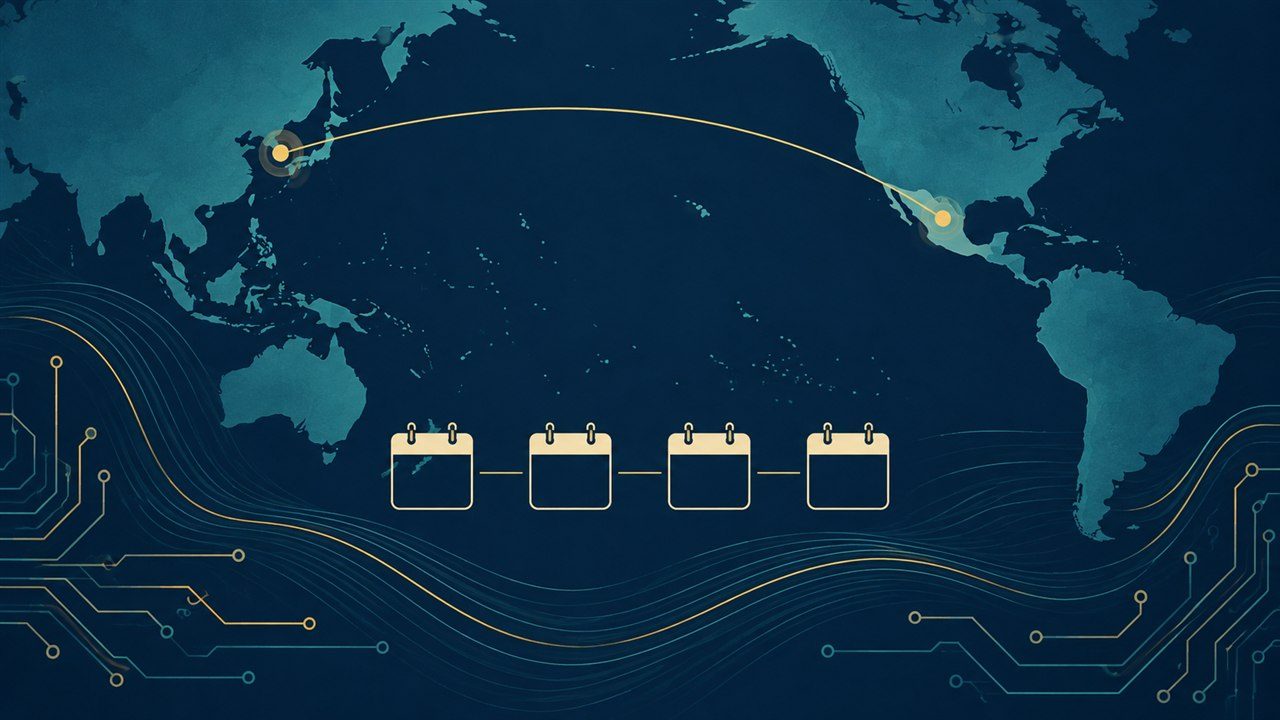
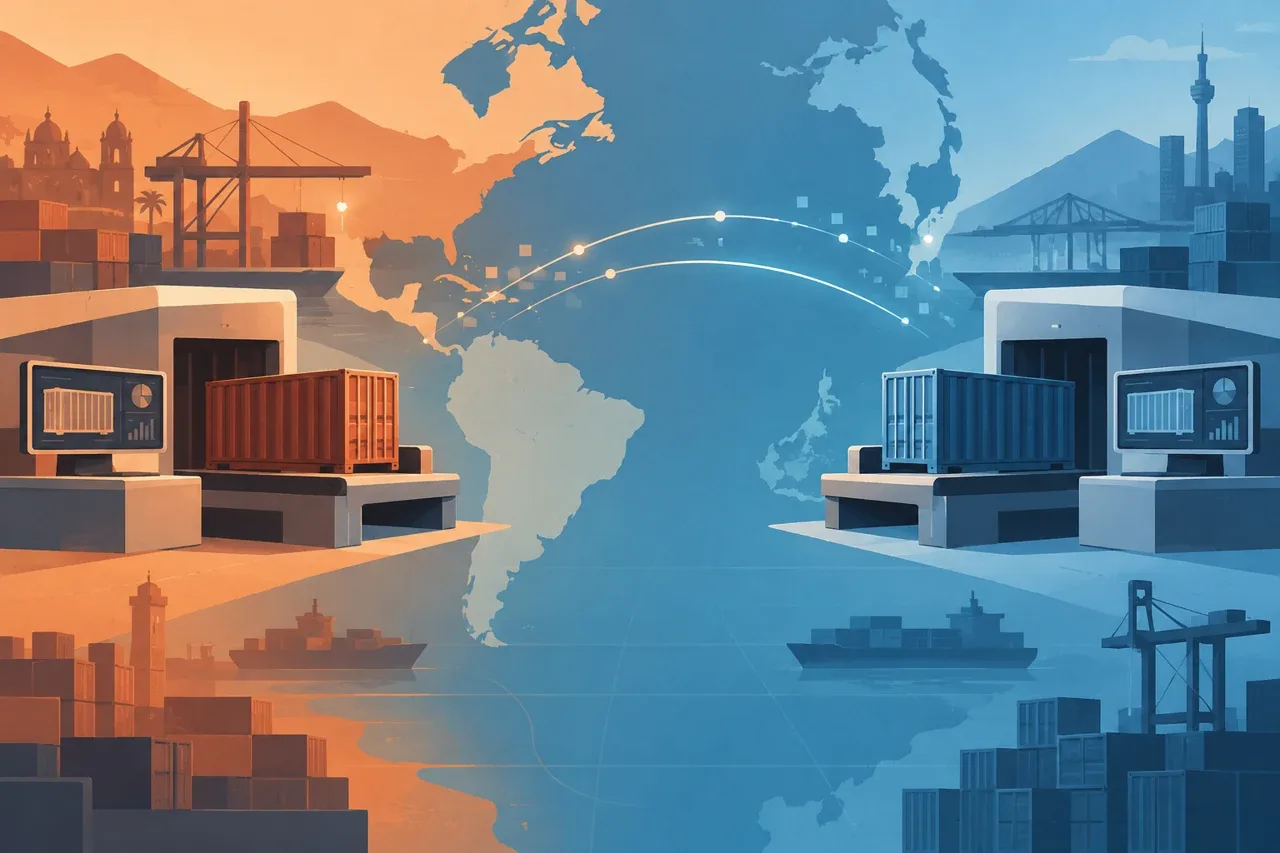
The next useful checks are therefore institutional, not ceremonial: whether the working group meets, what information-sharing rules its members disclose, whether each agency reports training or inspection outcomes, and whether exporters receive an identifiable clearance improvement. This article focuses on what the customs agencies have publicly committed to and what remains unverified, distinct from the summit's joint committee, defense and policing arrangements, development forum and APEC AI review. The accompanying cargo-screening image is an AI-generated conceptual illustration, not a photograph of the signing or any actual inspection.
 프리즘코리아 편집국 > 윤도현 · Dohyun Yun