Korea–Mexico committee slated for 2027 as two governments map summit follow-up
South Korea and Mexico agreed at their September 24 summit to resume an economic, scientific and technical cooperation committee, with annual meetings beginning in Korea in 2027. Their action plan also calls for regular foreign-ministry policy consultations. The published documents identify diplomatic channels and a letter of intent, but give no date, agenda or record of a first committee meeting.
South Korea and Mexico have set out two tracks for sustained diplomacy after their September 24 summit: recurring high-level policy consultations and the revival of a joint economic, scientific and technical committee. The 2026–2030 Joint Action Plan gives the committee its first proposed year and host country, 2027 in Korea. It does not say that the meeting has already taken place. That makes the announcement a timetable against which the two governments can later be held, rather than a completed programme of joint projects.
The English text released by Korea's presidential office on September 26 says the foreign ministries will hold regular High-Level Policy Consultations at vice-minister level. In a separate clause, it says they will resume the Joint Committee on Economic, Scientific and Technical Cooperation and convene it annually at the deputy-minister of foreign affairs level, beginning in 2027 in Korea. The difference matters: a regular policy consultation and an annual committee have different descriptions and different official levels in the text. A future communiqué about one would not by itself establish that the other had met.
The action plan's annex lists a letter of intent between the two foreign ministries on reactivating the joint committee. A listed letter of intent demonstrates an agreed diplomatic step toward revival. It does not supply the date of the first session, the membership of any technical delegations, an adopted work programme or a budget. The public plan likewise gives no minutes of a 2027 meeting, which is still in the future as of this review. Readers following implementation will need a convening notice or subsequent ministry record before calling the committee operational.
At the summit, President Lee Jae Myung said the two countries had adopted the 2026–2030 plan and would continue identifying results in trade, development, intellectual property, space, heritage and education. His joint press statement supplies the political setting for the committee's broad economic, scientific and technical remit. It does not narrow the committee's first agenda to any one of those sectors. Presenting a specific project as the committee's approved work would go beyond the published plan and presidential statement.
Korea's national security adviser reported that 16 memoranda of understanding were concluded during the state visit and that a separate declaration on artificial intelligence was adopted. The annex to the action plan is a list of 17 documents connected with the plan, including the committee's letter of intent and the AI joint statement. Those counts describe different sets of documents; they should not be treated as 17 completed projects or as proof that the committee has convened. The adviser described the visit's results, while the plan sets future procedures.
The committee also needs to be distinguished from the Korea–Mexico Forum on International Development Cooperation. The plan places that proposed high-level development dialogue in the second half of 2027 and gives it a remit involving potential cooperation in Latin America and the Caribbean. The joint committee, by contrast, is to meet annually beginning in Korea in 2027 and covers economic, scientific and technical cooperation. The forum was the subject of an earlier English article; this account examines the separate committee and policy consultation clauses, their institutional levels and the records needed to verify follow-through.
There is a practical sequence to watch. The foreign ministries could announce a date and agenda for the revived committee, confirm that their designated officials attended, publish a record of decisions, and then report which agencies pursued them. None of those later records is contained in the September action plan. The plan establishes a diplomatic commitment and a testable schedule, while leaving the substance of the first committee meeting open. An annual promise will be measurable only after the first meeting and subsequent cycle are documented.
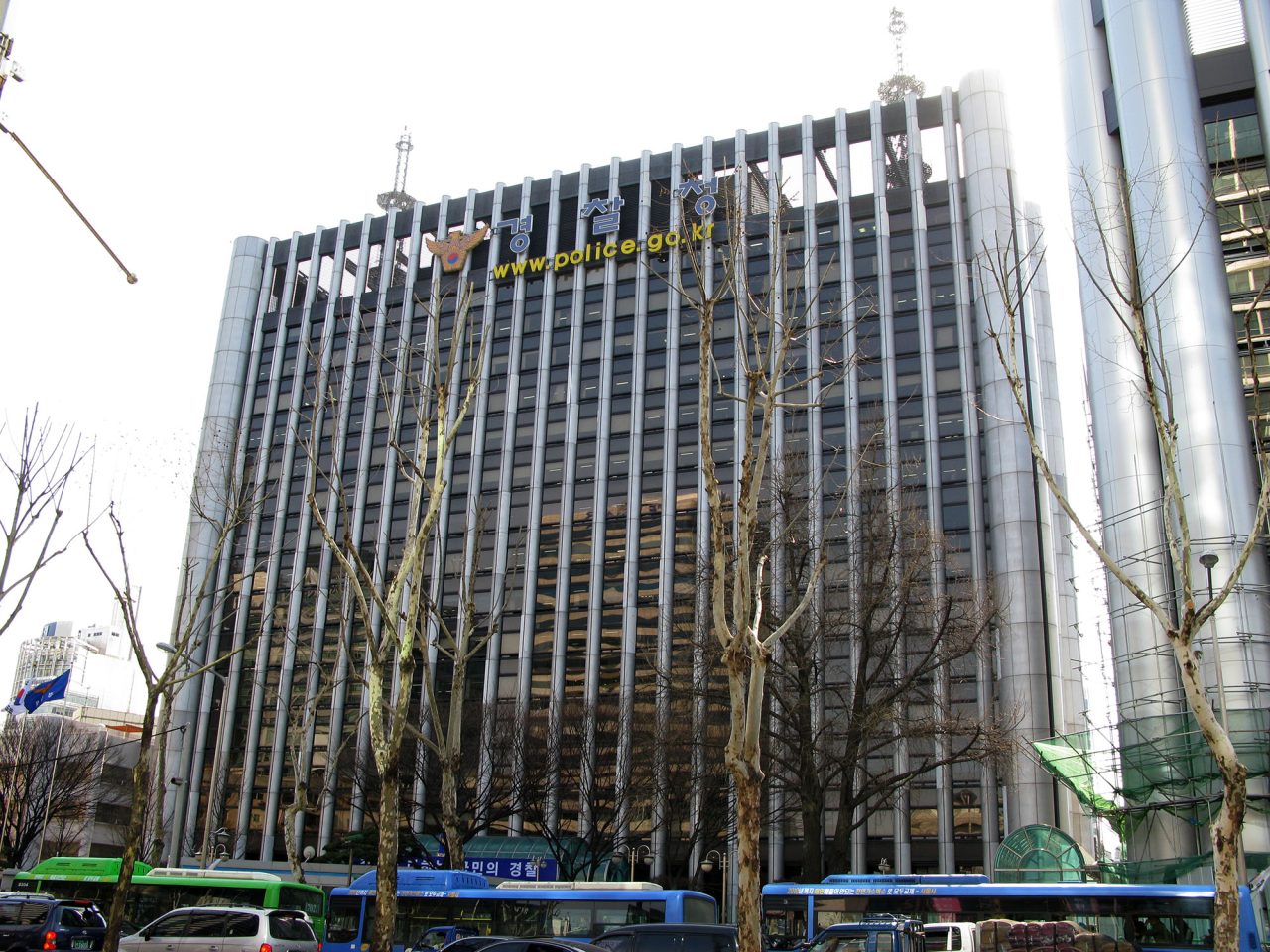
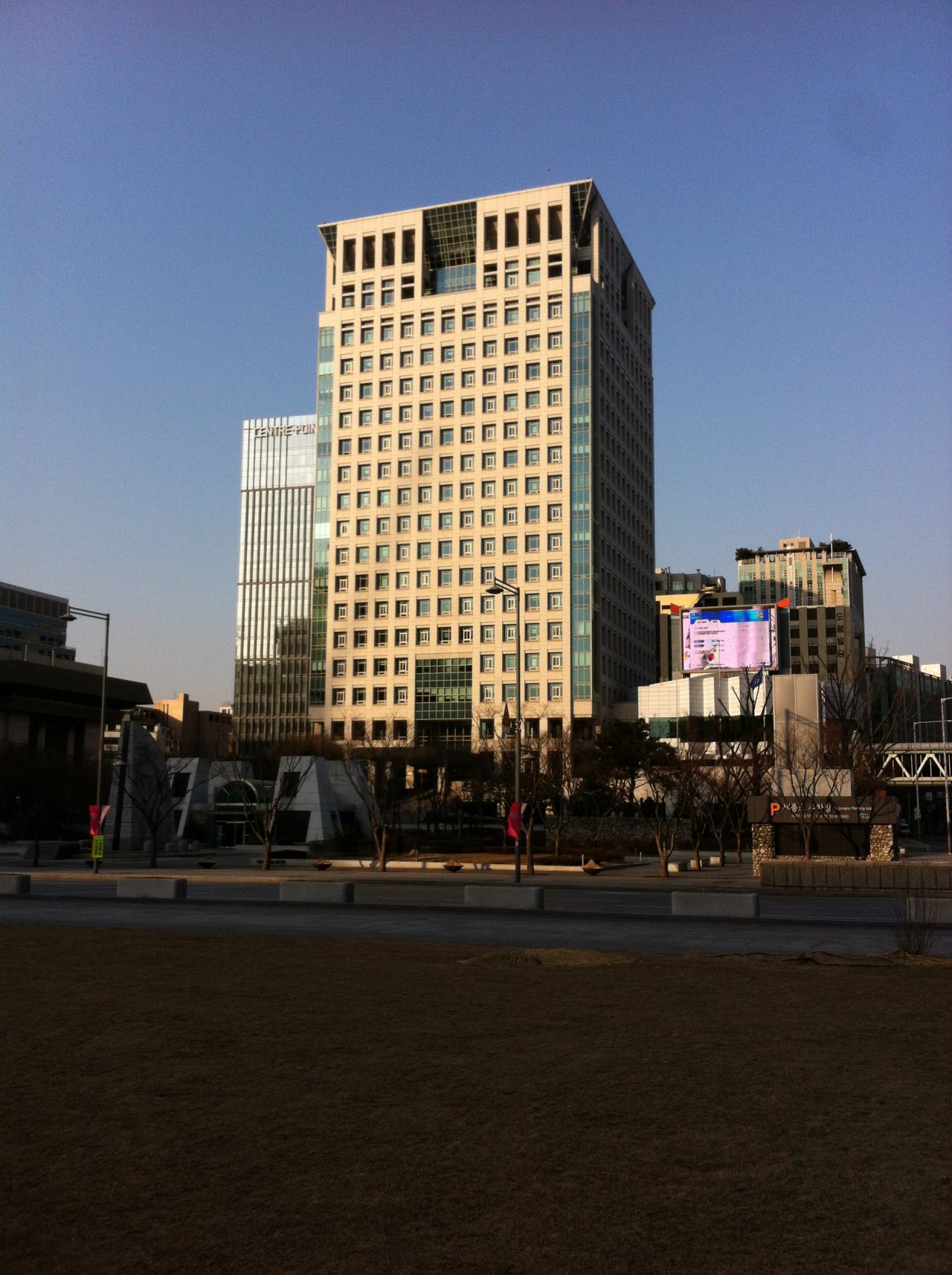
The accompanying photograph shows the annex of Seoul's Central Government Complex, which Wikimedia Commons describes as being used largely by Korea's foreign ministry. Hoseoklee88 took it in 2014 and released it under CC BY-SA 3.0. It is an archival image of an institution relevant to the planned diplomatic process, not a photograph of the 2026 summit, the letter of intent or a committee session.
 프리즘코리아 편집국 > 윤도현 · Dohyun Yun