Iran relief handover included responder protection, not a distribution tally
An ICRC shipment handed to the Iranian Red Crescent in June contained first-aid materials and protective equipment for emergency responders. The 18-tonne figure describes a handover, not the number of people reached or proof that every item had been distributed by September.
A June humanitarian handover in Iran combined equipment for treating casualties with gear intended to protect the people responding to them. The International Committee of the Red Cross said more than 18 metric tonnes of supplies were formally handed to the Iranian Red Crescent Society's Rescue and Relief Organization on June 15. Its June 18 account identifies medical items for first-aid disaster response and personal protective equipment for responders facing chemical, biological, radiological or nuclear incidents. It does not give a patient count, a list of final distribution sites or an item-by-item inventory.
That distinction matters when reading a weight figure as a measure of relief. Eighteen tonnes describes the consignment at handover, not how many injured people received care. The ICRC says the supplies were intended to support rescue and relief operations and replenish emergency stocks used during the recent hostilities. A stock replenishment may strengthen readiness even before a later emergency, but the release provides no evidence with which to calculate coverage, use rates or outcomes.
The organisation also separates its own donations from a wider movement effort. According to the June account, the consignment contained ICRC-donated items and supplies contributed by other Red Cross and Red Crescent Movement members; the ICRC provided logistics and coordination. Calling the entire consignment an ICRC purchase would therefore overstate what the source establishes. The Red Crescent was the receiving partner. The release does not say that the ICRC itself delivered each item to a household or clinic.
The protective gear has a different purpose from the first-aid materials. Equipment designed for responders in chemical, biological, radiological and nuclear incidents is a preparedness measure; its inclusion does not establish that such an incident occurred during this delivery or that the donated gear has since been deployed. The release gives no quantities by equipment type, so its total weight cannot be divided into medical and protective shares.
The June handover followed earlier consignments. An April 14 ICRC notice said 171 tonnes of household relief items had been dispatched from its Jordan warehouse in 14 trucks, with five truckloads already handed over in Tehran at that point and nine expected later that week. It described blankets, water containers, kitchen sets, tarpaulins, hygiene parcels, solar lamps, buckets and mattresses, as well as separate locally purchased generators and motor pumps. That notice was a snapshot of dispatch and an initial delivery, not a final distribution report. The June release retrospectively refers to 176 tonnes delivered in April; the two releases use different figures and stages, and neither explains the five-tonne difference. They should not be silently added or treated as identical measurements.
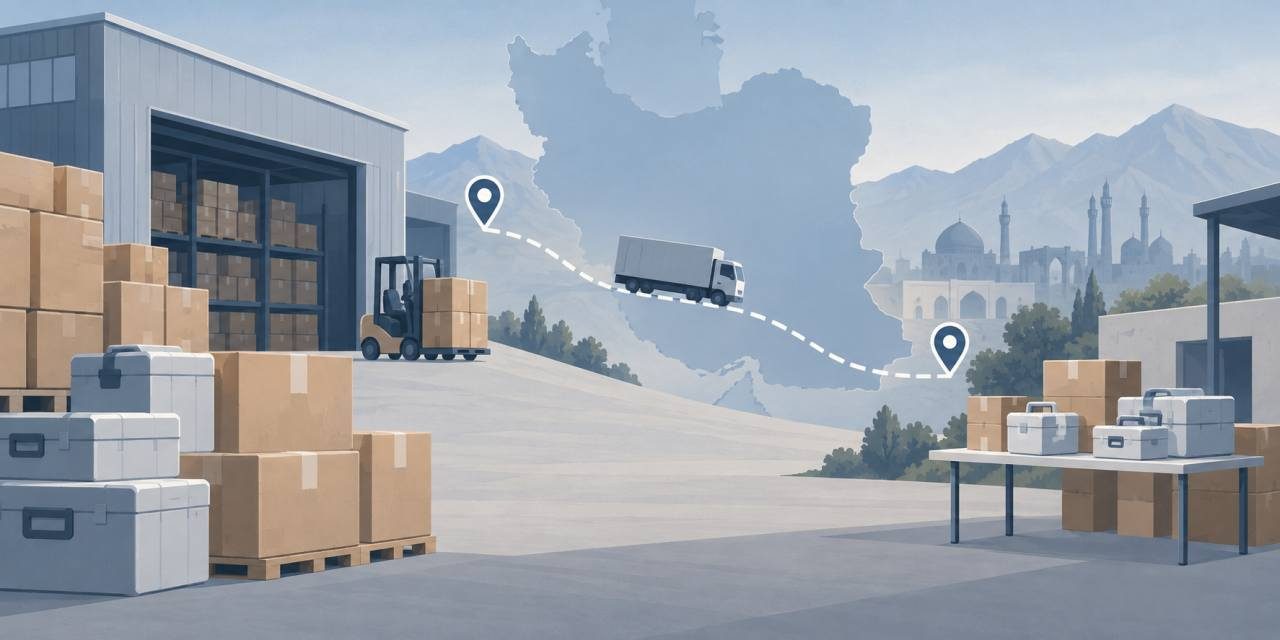
For readers assessing the humanitarian response, the verified sequence is narrower than a claim that all supplies reached people in need: an April dispatch and partial handover reported at the time, followed by a June 15 handover of more than 18 tonnes to the national society. The ICRC said further support was planned, which is an intention rather than confirmation of a later shipment. This account uses the organisations' own public releases and has not independently tracked the goods beyond handover. Its accompanying visual is a generated conceptual illustration, not a photograph of an Iranian warehouse, shipment or recipient.
 프리즘코리아 편집국 > Nora Ellis