Society

Iran rehabilitation records show why services are not a count of war casualties

ICRC records show an established rehabilitation network serving Afghan migrants and Iranians. Service totals cannot be treated as a count of new war injuries.
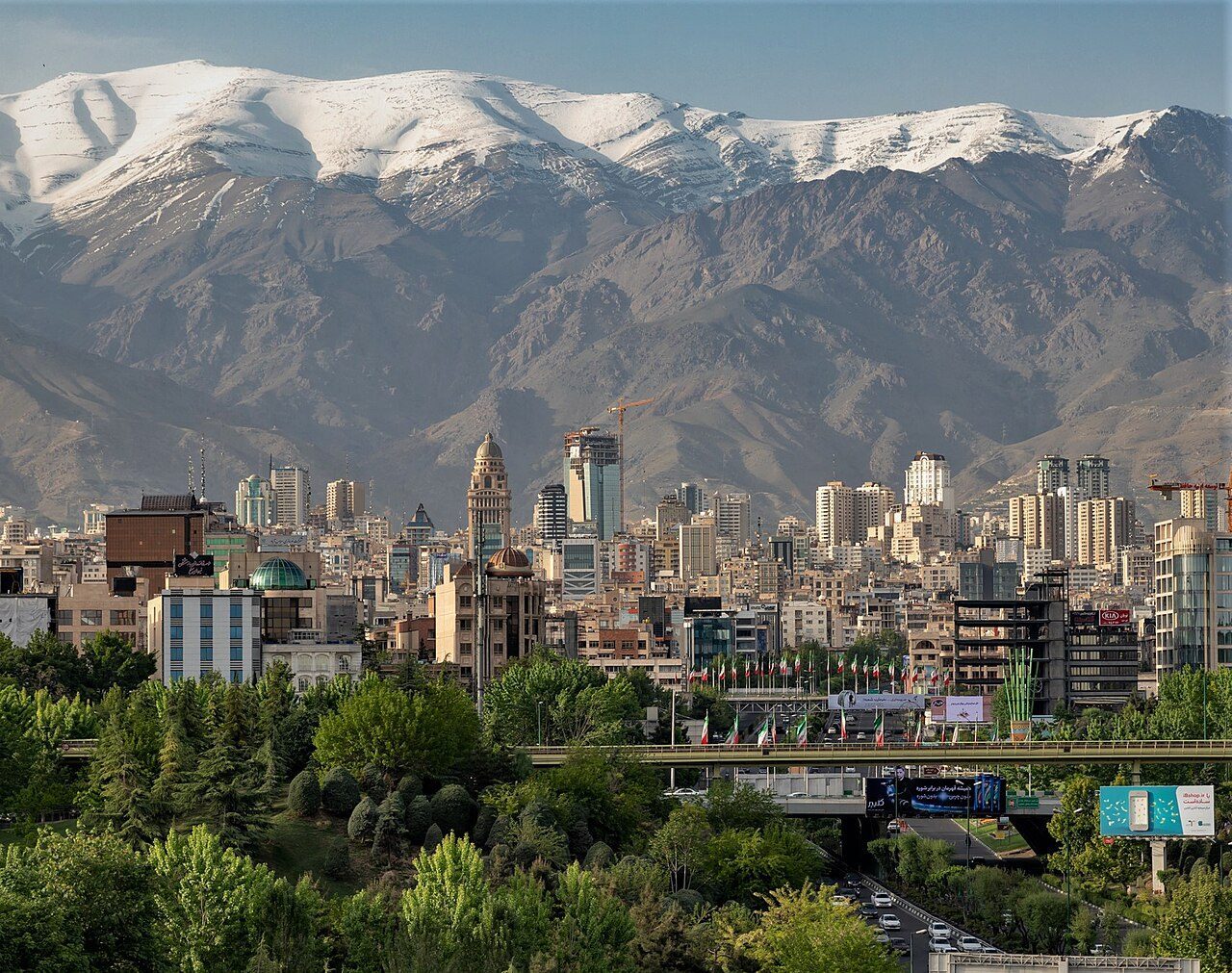
North Tehran buildings and green space beneath snow-topped mountains
North Tehran on 26 April 2018. Archival geographic context, not a rehabilitation centre or a scene from the 2026 war. Ninara / Wikimedia Commons, CC BY-SA 3.0. · 사진 / Photo · Ninara · 출처 / Source · CC-BY-SA · Contributor-declared changes: Reused owned PRISM stored rendition of Commons crop, server re-encoding only; CC BY-SA 3.0 retained.. PRISM automatically re-encoded with JPEG quality 82; 1280x1011 to 1280x1011 pixels, aspect ratio retained with no upscaling.

Iran's humanitarian response includes rehabilitation services that predate the 2026 war. The ICRC's Iran page records 1,000 physical rehabilitation services in January-June 2026, not 1,000 newly injured people.

Its 2024 activity report traces cooperation with Iranian Red Crescent centres in Mashhad to 2018, Zahedan to 2021 and Tehran to 2022. Local NGOs help identify people with disabilities and refer them to these centres.

That report lists prosthetics, orthotics, wheelchairs, physiotherapy and occupational therapy. It records 1,185 services for 548 Afghan migrants and Iranians in 2024, illustrating why services and individuals are different measures.

Interpretation

The ICRC's current FAQ describes support for vulnerable Afghan migrants and local communities. The older report establishes programme history, not today's access at each centre. Reading the records together shows why rehabilitation totals should not be recast as a casualty count or proof that every person needing care has received it.

Nora Ellis프리즘코리아 편집국 > Nora Ellis

Original sources

  1. ICRC Iran — January-June 2026 activity totals ↗
  2. ICRC Iran — Activities in 2024, physical rehabilitation ↗
  3. ICRC — Frequently asked questions: work in Iran ↗
Report an error ↗

Related stories

Society · 2026.10.01

Tokyo buses extend a Chiba rail disruption shuttle beyond October 2

Tokyo has sent ten buses and crews to reinforce a direct Nagaura–Anegasaki link after Typhoon 25 disrupted the Uchibo Line. The revised service began October 1, costs ¥440 for adults and will continue until JR East launches its own replacement transport. It covers only part of the closed corridor; JR rail tickets and passes cannot be used on these separate buses.

Society · 2026.10.01

Chuseok’s busiest crash window falls before the holiday, Korean road data show

South Korea’s road safety agency found that crashes on the day before Chuseok averaged 750 a day in its 2021–2025 analysis, with 43% occurring from 2 p.m. to 8 p.m. Those historical counts identify a planning window, but they do not measure the chance of a crash on any individual journey or establish the final toll for 2026.

Society · 2026.09.29

Chuseok driving warning: cruise control crash totals do not measure the technology’s risk

A Korean holiday safety bulletin cites 30 expressway crashes involving adaptive cruise control use in 2021–2025, with 20 deaths. Those figures are not confined to Chuseok and do not establish that the system caused each crash. For English-speaking drivers, the useful distinction is between speed assistance, emergency braking and responsibility for monitoring the road.