ICRC Iran guidance distinguishes family tracing from evacuation assistance
The agency describes the support it can offer to families and the limits of its operational capacity.
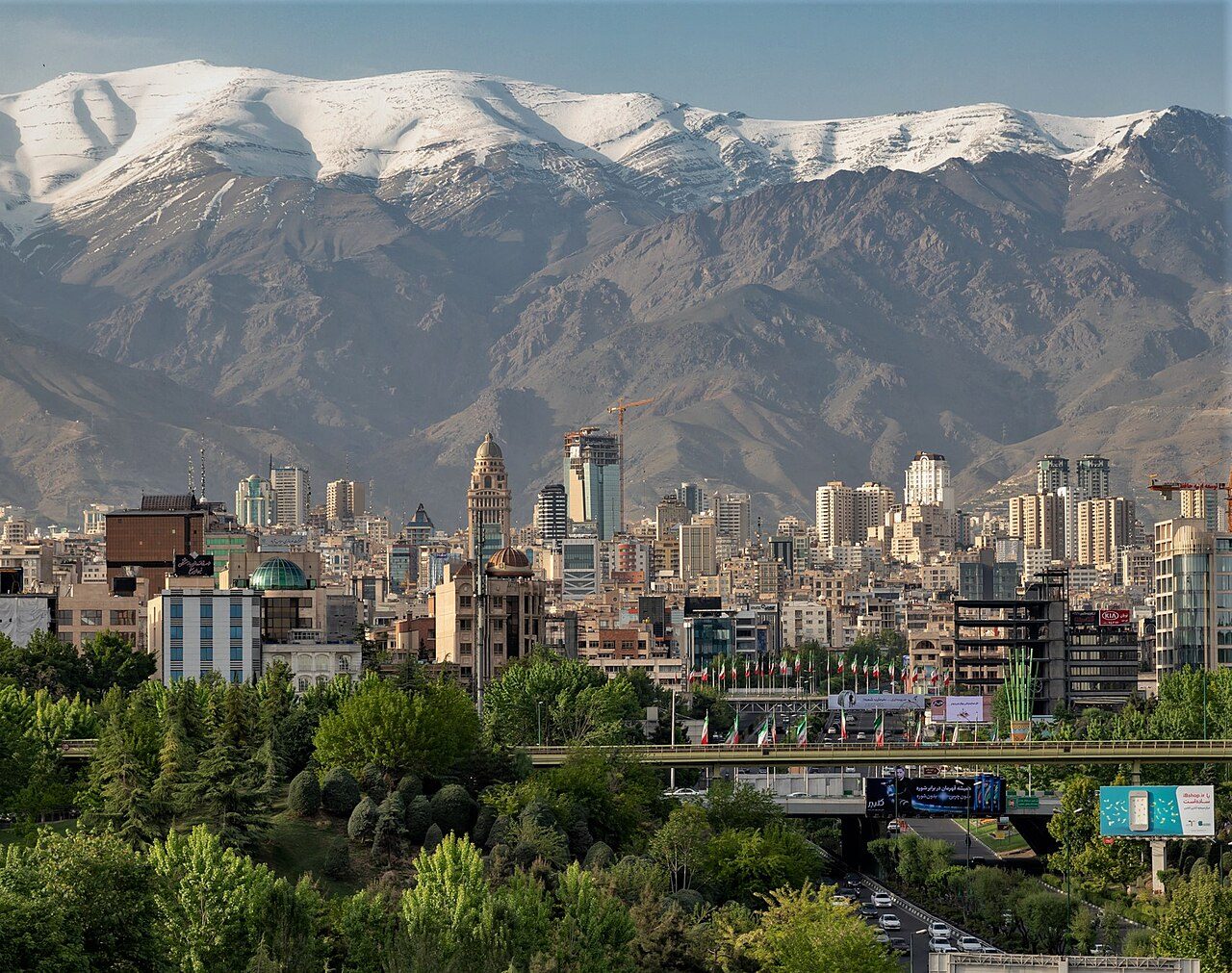
Families seeking help during the Iran war face a distinction between tracing a relative and arranging an evacuation. The ICRC's Iran guidance says it cannot organize evacuation abroad, internal population movements or identify places as safe.
Family-link services are available through the Iranian Red Crescent's tracing network, with ICRC technical support. People outside Iran are directed to their local Red Cross or Red Crescent society rather than being promised a cross-border rescue.
The same guidance says the ICRC has no humanitarian activity in Iranian prisons and cannot directly confirm detention or pass family messages there. These limits matter when assessing online claims about what an aid organization can deliver. The guidance describes available channels and capacity; it does not guarantee that a missing person will be found or that travel can be made safe.
 프리즘코리아 편집국 > Adrian Cole