Hogwarts Legacy gets DLSS 5, but only RTX 50 owners and cloud subscribers can switch it on
A surprise free PC update added Nvidia's DLSS 5 neural rendering to Hogwarts Legacy on 5 November 2026. Access is limited to RTX 50-series GPUs, RTX Spark PCs and GeForce NOW Ultimate, and the performance claims are Nvidia's own.
Hogwarts Legacy received a free PC update on 5 November 2026 that adds Nvidia's DLSS 5, according to GAMINGbible and Notebookcheck, which both describe it as the first of three games due to get the technology this month. Notebookcheck lists War Thunder for mid-November and Where Winds Meet for 23 November.
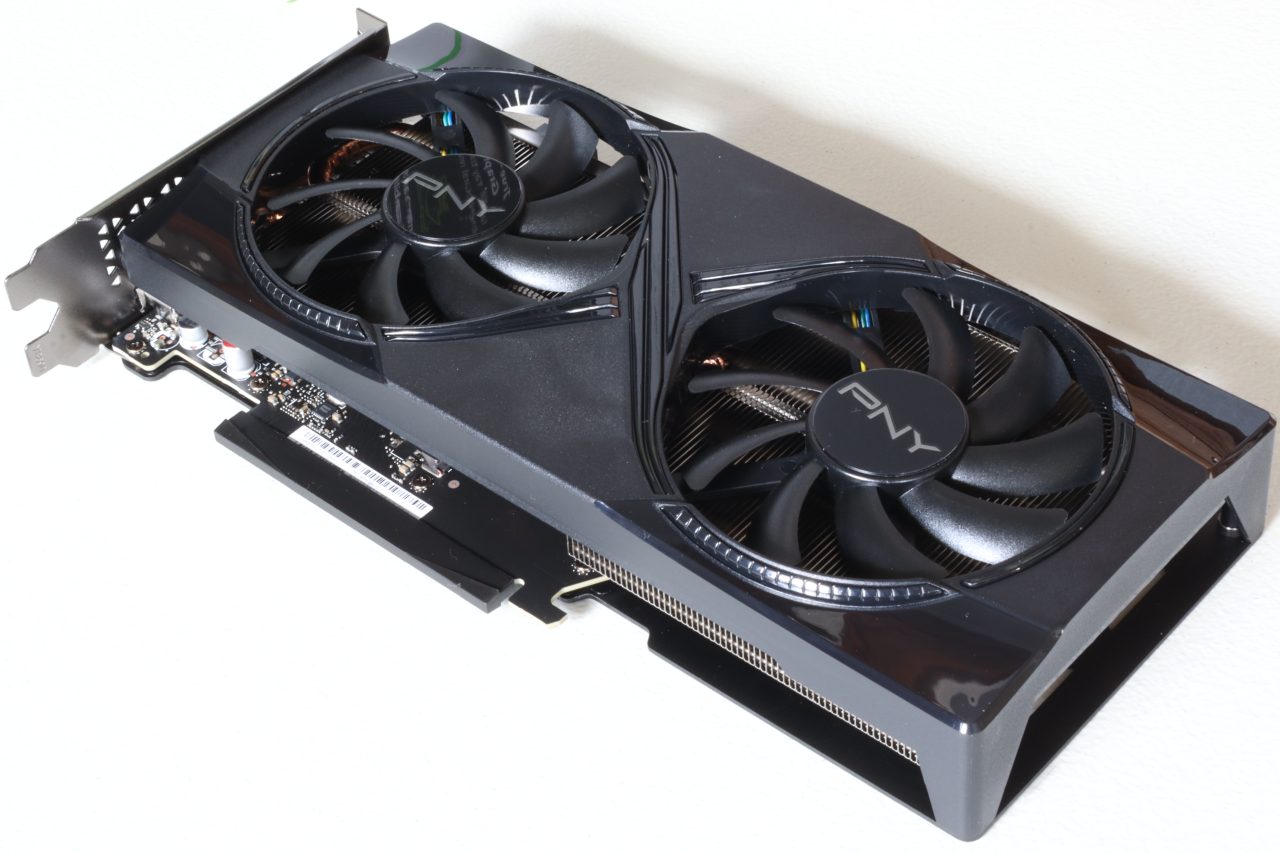
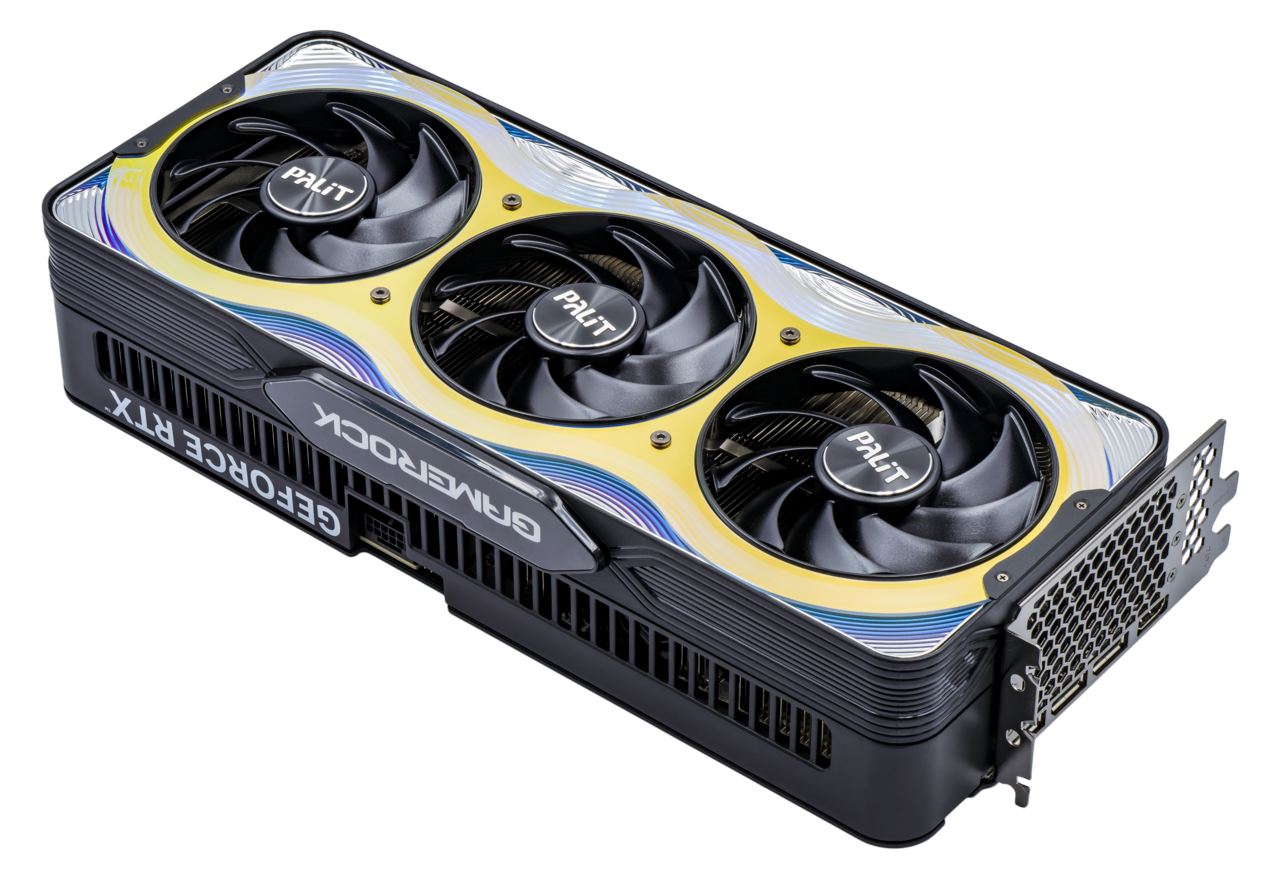
The question for most players is whether they can use it. Both outlets say the Neural Rendering option works only on GeForce RTX 50-series desktop and laptop GPUs, on RTX Spark PCs, or through a GeForce NOW Ultimate subscription. Notebookcheck says players need compatible hardware or an eligible subscription, and that the option appears in the graphics settings after the update is installed. Neither article gives minimum specifications for the game itself.
Notebookcheck describes DLSS 5 as AI-based neural rendering that changes how light interacts with surfaces, with stonework, rooftops, foliage and reflections as examples, rather than simply sharpening or upscaling an image. It can be combined with Super Resolution, Ray Reconstruction, Reflex and Multi Frame Generation. Developer Avalanche Software used DLSS 5's controls to set how strongly the effect applies to environments and characters, per the same report.
The performance figures come from Nvidia. Notebookcheck repeats that the newer model is about twice as fast as the earlier implementation, 24 percent smaller at roughly 118 million parameters, and uses 20 percent less video memory at 4K. GAMINGbible says that with Nvidia's recommended settings on (Super Resolution, Multi Frame Generation, Reflex and Ray Reconstruction) the game can reach 4K at 300 frames per second on a GeForce RTX 5090. That is a top-end card running several frame-boosting features at once, and Notebookcheck notes that results depend on hardware and settings and gives no game-specific numbers.
Player reaction quoted by GAMINGbible is mixed. One trailer viewer said the first version Nvidia showed was very obvious and that the tuned one may now be too subtle. Another commenter said the feature costs frame rate for little visible gain, and a third joked that Nvidia had been scared by the backlash. These are individual comments, not a survey, so they show the range of opinion rather than its balance.
The reports leave open how the feature performs in practice. Both are news pieces on the update rather than hands-on tests, and neither provides Hogwarts Legacy frame-time measurements or image-quality comparisons in motion. Until independent testing appears, the speed and memory savings should be read as Nvidia's claims, and players on RTX 40-series or older cards should not expect the option to appear.
 프리즘코리아 편집국 > Oliver Hayes