DLSS 5 reaches its first showcase game as Nvidia pitches a cheaper, subtler model
Nvidia scheduled DLSS 5 for Hogwarts Legacy on 5 November, with claims of a half-cost model and lighting-focused changes; the performance figures are Nvidia's and not yet independently verified.
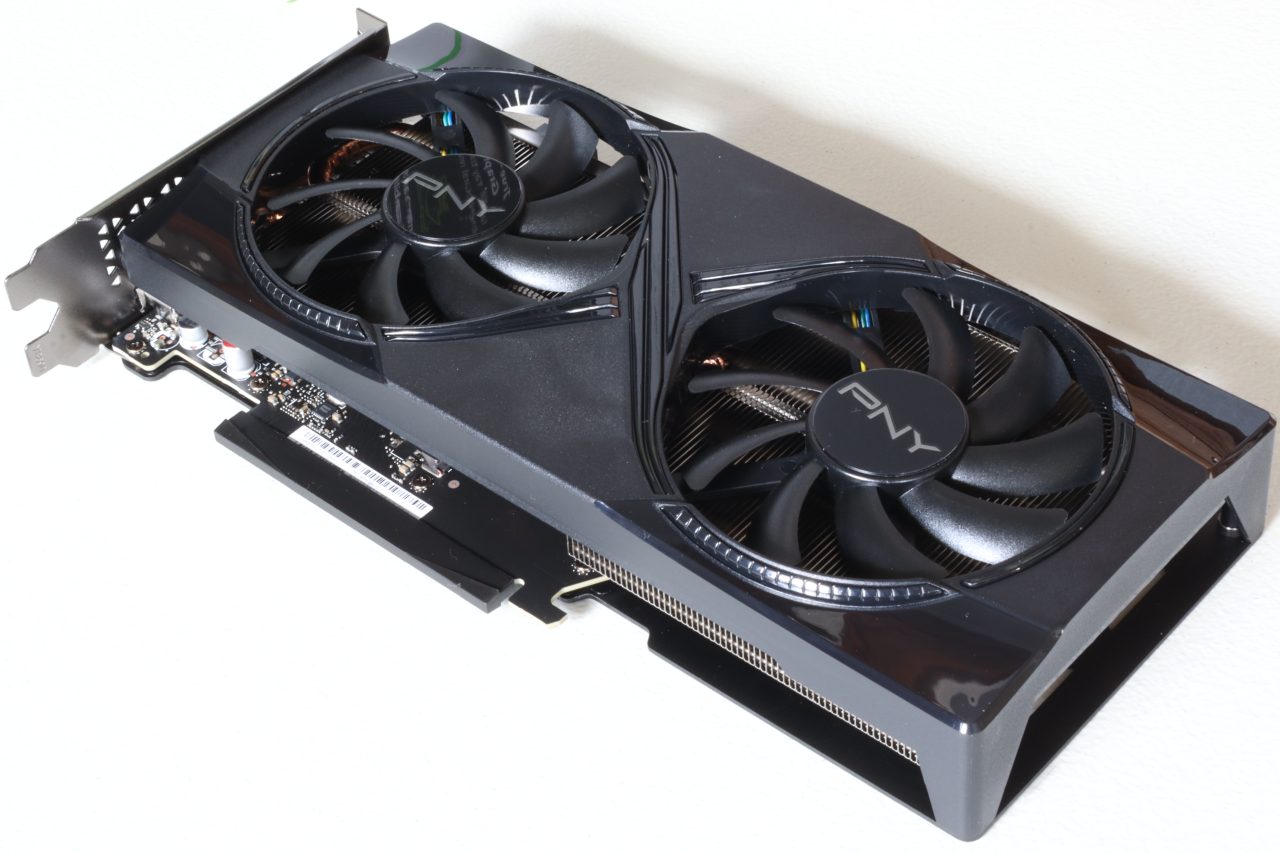
Nvidia scheduled the DLSS 5 update for Hogwarts Legacy for 5 November 2026, according to PC Gamer and FPS Review reports from October. FPS Review says the patch adds DLSS Neural Rendering and moves the game's other DLSS features to their newest versions. PC Gamer describes Hogwarts Legacy as the first of the games shown at Nvidia's March reveal of DLSS 5 to receive the technology.
Nvidia describes DLSS 5 as AI neural rendering in the final stage of the graphics pipeline that can "infuse scenes with lifelike lighting and materials," as quoted by FPS Review. The same report says developer Avalanche Software used DLSS 5's SDK controls to tune the result and preserve the game's artistic intent, and that RTX Remix 1.6 adds DLSS 5 support for modders and developers. Where Winds Meet is also due to get support, later in November.
The efficiency claims come from Nvidia. PC Gamer reports that the new model has about 118 million parameters, roughly 24 percent fewer than the September version, with half the GPU performance cost and about 20 percent lower VRAM use at 4K. For NBA 2K27, Nvidia reportedly revised its estimated performance hit from about 60 percent to about 30 percent. PC Gamer said it had not verified those numbers and gave no Hogwarts Legacy frame-rate data.
The March reveal drew criticism that DLSS 5 could alter character faces too heavily. PC Gamer's side-by-side comparisons for Hogwarts Legacy suggest the changes are mostly to environmental lighting and materials, with faces largely unchanged. The outlet also cited an earlier reader poll in which 65 percent of those with an opinion said they were not interested in DLSS 5.
Taken together, the rollout reads as a test of whether Nvidia can win over sceptical players by limiting the technology's visible reach and lowering its cost, rather than by changing how games look overall. Developer-side controls are central to that pitch, because they let a studio decide how far the neural model is allowed to reshape a scene.
What is still missing is independent measurement. Neither report lists minimum hardware for the Hogwarts Legacy patch or gives game-specific benchmark results, and Nvidia's percentages are for its own test cases. Readers should wait for third-party frame-time and image-quality testing on the released build before treating the cost reductions as confirmed.
 프리즘코리아 편집국 > Daniel Reed