Europe's freezer hacks: what is confirmed, and what is only reported
A second wave of suspected cyberattacks hit supermarket refrigeration across Europe on 2 November 2026. Much of what is known comes from secondhand reports, so this piece separates the claims by source.
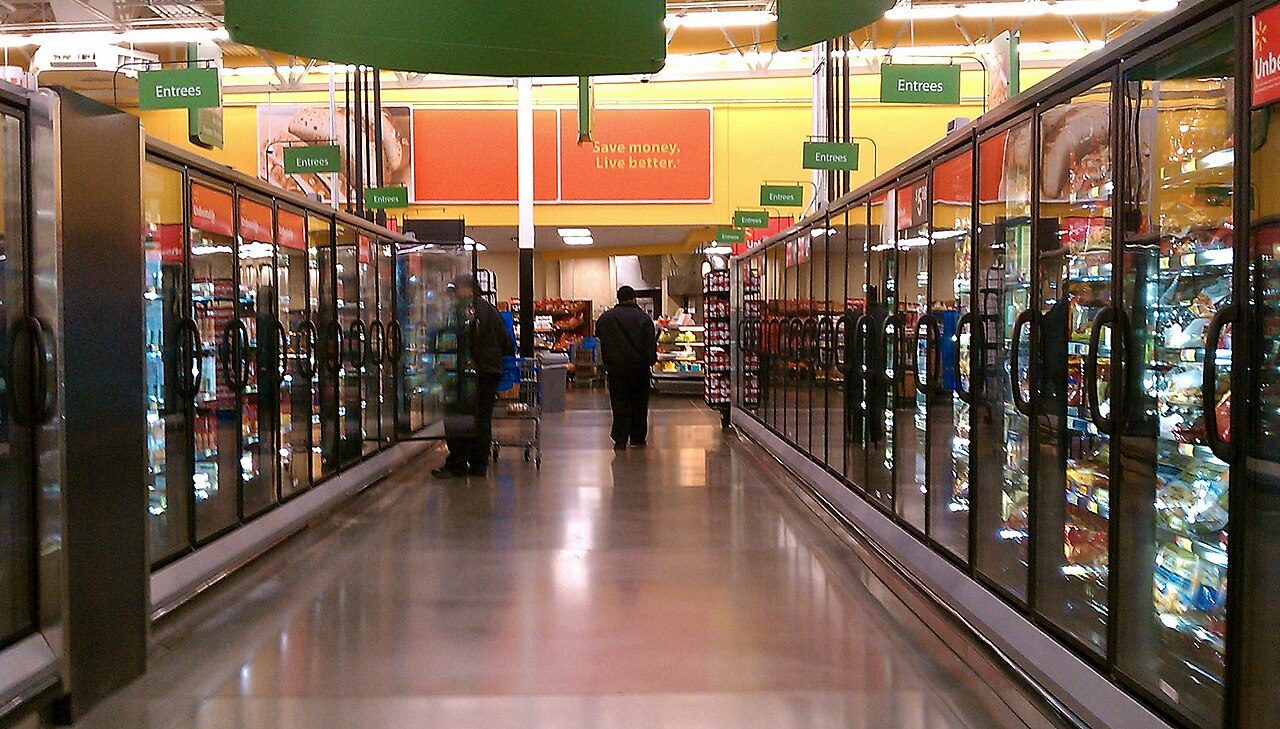
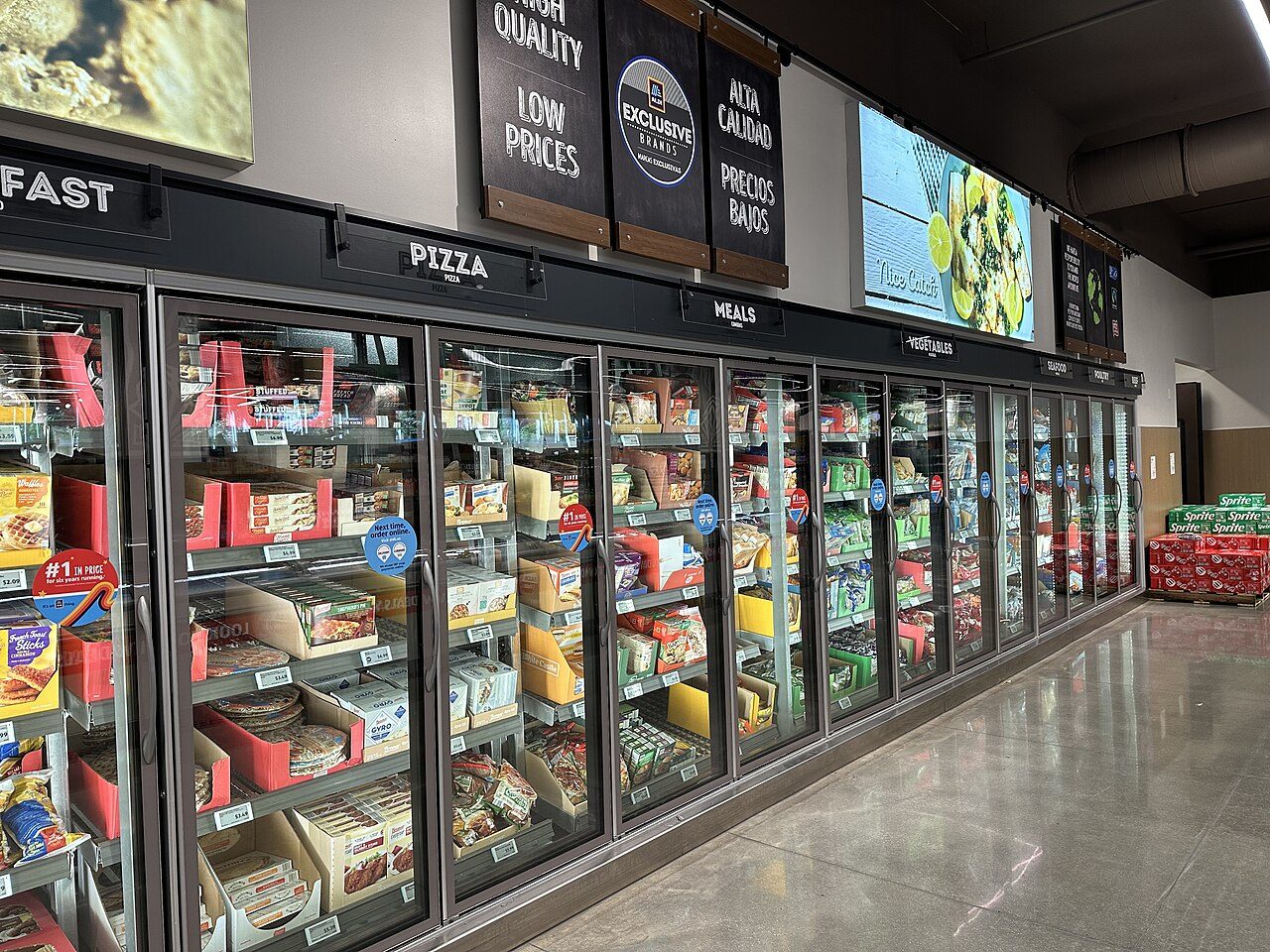
Supermarket and grocery refrigeration systems across Europe appear to have been hacked in the early hours of Monday 2 November 2026, according to cybersecurity outlet The Record. It describes the incident as the second such wave in recent weeks, about three weeks after hackers compromised internet-exposed remote controllers at hundreds of French supermarkets in October. Retailers and equipment suppliers call it a cyberattack, but no law-enforcement or government agency has named a perpetrator and no group has claimed responsibility.
The scale is still a patchwork of reports. The Record says more than 50 stores in Belgium have been identified, a "limited number" of smaller stores in Sweden, and more than a dozen combined in Ireland, Estonia, the Netherlands and Luxembourg. Help Net Security, citing Belgian news agency Belga, lists Delhaize, Carrefour and Spar among the affected Belgian chains, RTL Today for Delhaize in Luxembourg, and The Local for Coop and Ica in Sweden. Both outlets are relaying other media rather than counting stores themselves, and Help Net Security gives no total.
The most vivid detail is the temperature. Retailers say freezers were remotely set to 50°C, spoiling stock; Help Net Security attributes the figure to Swedish reporting rather than verifying it. A southern Swedish supermarket manager, Rickard Nilsson, told broadcaster TV4 that staff could not adjust or change the temperatures. Ica told Dagens Nyheter that only a small number of stores whose connections sit outside its central network were affected, which, if accurate, would point to the weak link being local connections rather than the retailer's core systems.
On method, Belga reports that the attackers remotely put the units' evaporators into defrost mode, warming the cabinets, and says this is the same mechanism as the French attack. Help Net Security presents that as Belga's description, not its own finding. Stephan Moelans, chief executive of Belgian installer Sabcobel, told Belga his technicians were mobilised around 1 a.m. and that about 20 of the several hundred units the firm manages were hit. He said a full fix needs physical modifications as well as a software update, and Help Net Security reports that most of Sabcobel's French customers moved to managing units over a secure internet connection after the October attack.
The equipment evidence is uneven. France's cybersecurity agency ANSSI said the October attacks hit control systems from Danfoss, Copeland and Dixell, exploiting remotely exploitable flaws in internet-exposed management interfaces (CERT-FR alert CERTFR-2026-ALE-012). Researcher Kevin Beaumont said the freezers in the newer incidents also had exposed management interfaces and that many are end-of-life devices with no patch available. An Estonian contractor said an older Danfoss system was accessed, and Dutch broadcaster NOS reported that Copeland equipment was also targeted in Belgium. But Help Net Security does not say which manufacturers were involved in the second wave overall, so a single shared vulnerability is not established.
The responsibility argument is already forming. After the French attack, Danfoss and Copeland said the affected devices were mainly discontinued products that no longer receive security updates. The Record cites an October 2025 Danfoss customer newsletter announcing a "hard End of Service" policy for legacy products, saying continued support "would place Danfoss under new legal obligations to maintain security updates". That is the company's own account, and the sources read for this article include no independent assessment of it. The Record also notes that the EU Cyber Resilience Act will tighten requirements from December 2027, including support periods matching a product's expected lifetime, while today there is no legal obligation on manufacturers to fix products targeted this way.
Key questions remain open. Nobody has said who is behind either wave or whether they are linked, the full store count is unknown, and the specific vulnerabilities used in the second wave have not been confirmed. Colruyt and Intermarché acknowledged "technical problems" at some Belgian stores but did not attribute them to a cyberattack. Most of the detail so far comes from press reports and a researcher's social media post rather than from official investigation findings, so figures such as the 50°C setting and the store counts should be treated as reported, not verified.
 프리즘코리아 편집국 > Eleanor Reed