
China's October Surplus Narrows as Imports Surge, but Yuan Critics Say Imbalance Persists
China's October trade surplus shrank to $105.28 billion as imports jumped 41.6%, while a Peterson Institute analysis argues the yuan remains undervalued by about 20%.
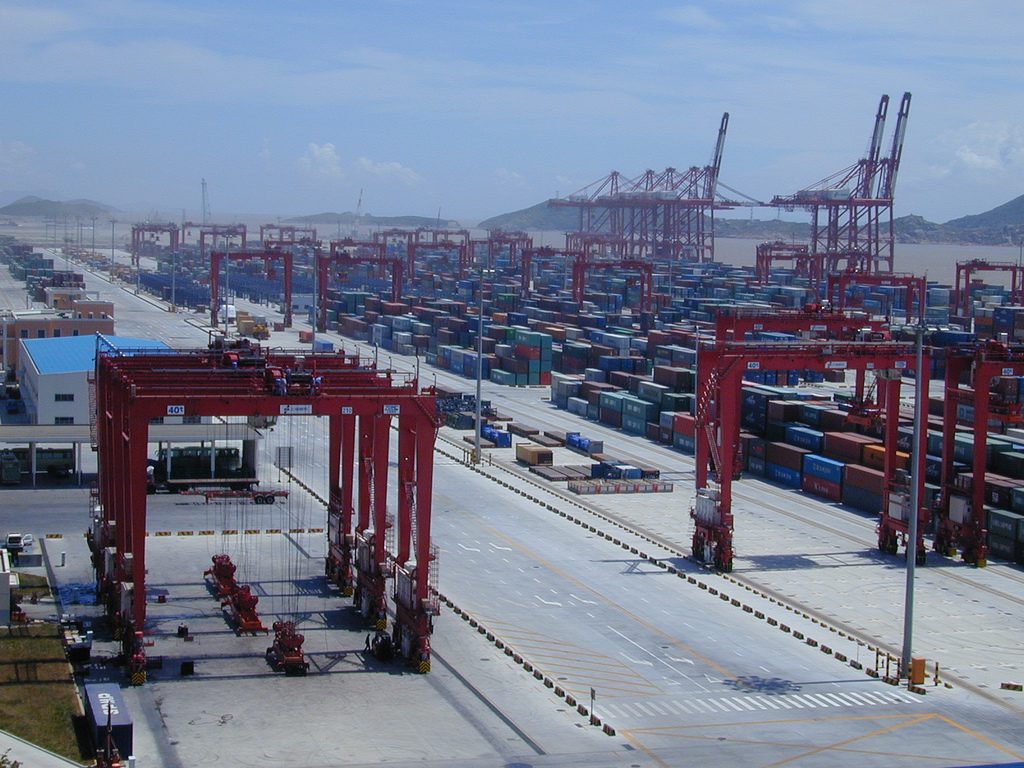
China's trade surplus narrowed to $105.28 billion in October, below the $126.50 billion analysts had forecast and down from $133.53 billion in September, according to customs figures reported by Investing.com on November 9, 2026.
Exports rose 35.2% from a year earlier, ahead of the 33.5% forecast. Imports grew faster still, up 41.6% against a forecast of 32% and a 31% pace in September. The gap between the two growth rates, not any slowdown in exports, is what pulled the surplus down.
Investing.com attributed the import surge mainly to demand for semiconductors and data-center components tied to artificial-intelligence infrastructure. Crude oil imports rose 13.1% from September to 41.9 million tonnes, the highest since March, while copper imports fell 2.2% and iron ore imports fell 3.8% month on month. On the export side, the report said demand stayed strong for electronic components, rare earths and metals, and electric vehicles.
The report also noted that the yuan reached a four-year-plus high in October after a run of strong central-bank midpoint fixings. A firmer currency makes imports cheaper in yuan terms, which is consistent with, though not proven to be the cause of, the faster import growth.
A separate analysis published November 9 by Joseph E. Gagnon and Nishtha Agrawal of the Peterson Institute for International Economics takes a much more critical view. They argue China's currency is undervalued by roughly 20%, consistent with an IMF estimate of 21% for 2025, and that the real effective exchange rate sits about 8% below its trend in 2026. They contend this contradicts Beijing's position that the exchange rate and the trade surplus are unrelated.
The authors say China's surplus relative to world GDP already exceeds its peak during the 2000s "China Shock" and is still growing. Their prescription goes beyond currency: allow a substantial appreciation, strengthen the social safety net to lift domestic consumption, and make it easier for foreign firms to sell in China. They add that European policymakers are seeking talks with China on exchange rates, while the United States has been silent.
Caution is warranted on both sides. The October figures come from a wire report rather than the customs administration's own release, which this reporter could not retrieve, and the PIIE's undervaluation figure is a model-based estimate, not an official statistic. One month of strong imports does not show that China's broader trade imbalance has changed direction, and a still-large monthly surplus of more than $100 billion sits alongside the narrowing.
 프리즘코리아 편집국 > 서유진 · Yujin Seo




