Black Sea grain request preceded Wadephul–Lavrov talks; no joint deal announced
Germany’s foreign minister proposed a Black Sea-first ceasefire at the UN on September 23, then raised grain exports with Russia’s Sergey Lavrov on September 26. The meeting revived direct contact, but the available German and Russian accounts do not establish a shared shipping deal or an implemented ceasefire.
Johann Wadephul’s call for a Black Sea ceasefire was public three days before he met Sergey Lavrov in New York. The distinction matters when assessing the September 26 encounter: the German foreign minister brought an existing proposal into a rare bilateral conversation, but no jointly announced grain-shipping arrangement emerged from it.
In a September 23 statement to a UN Security Council meeting on Ukraine, Wadephul set out three separate demands. He called first for a full and immediate ceasefire beginning in the Black Sea to protect the movement of grain and food, then for a comprehensive exchange of prisoners of war, and finally for negotiations grounded in international law. The sequence made the maritime measure a proposed starting point, not evidence that the parties had agreed to one.
Reuters reported from the United Nations that Wadephul raised grain exports again in his meeting with Lavrov on September 26. A German delegation source described his request as doing everything possible to reach an agreement on exports through the Black Sea. Wadephul’s subsequent message to European allies, which Reuters said it had seen, reiterated a call for an immediate ceasefire with particular attention to grain and energy infrastructure. These are accounts of what Berlin sought, rather than the text of a bilateral deal.
Lavrov’s public response pointed to a different diplomatic route. At a news conference after the encounter, he said Russia had discussed safe navigation proposals with India, Egypt and Turkey, potentially through bilateral arrangements. He also said separate discussions with Ukraine would be needed. Those remarks neither accepted the German ceasefire sequence nor supplied a verified shipping protocol with Ukraine. Attributing the proposal to the Russian minister is essential; it should not be presented as a plan endorsed by all the named countries.
The immediate record gives a useful check on the word “breakthrough.” The ministers did meet, the first such contact since before Russia’s full-scale invasion in 2022, and grain exports were raised. But a meeting and a request do not establish a ceasefire, agreed sea lanes, inspections, protection for crews, or a date when cargo can move. A German news account the next day reported Wadephul saying he and Lavrov had not agreed on key points. A claim that the Black Sea route had been reopened would require a further announcement and evidence of implementation.
There is also a difference between humanitarian stakes and a measured outcome. Wadephul said in his September 23 statement that attacks on Ukrainian ports were impeding the delivery of grain after a good harvest; he linked the question to food insecurity beyond Europe. That is his government’s stated rationale for urgency. The sources reviewed here do not measure how much grain was moved after the meeting or establish a new export total. They support reporting the diplomatic request, not a quantified result.
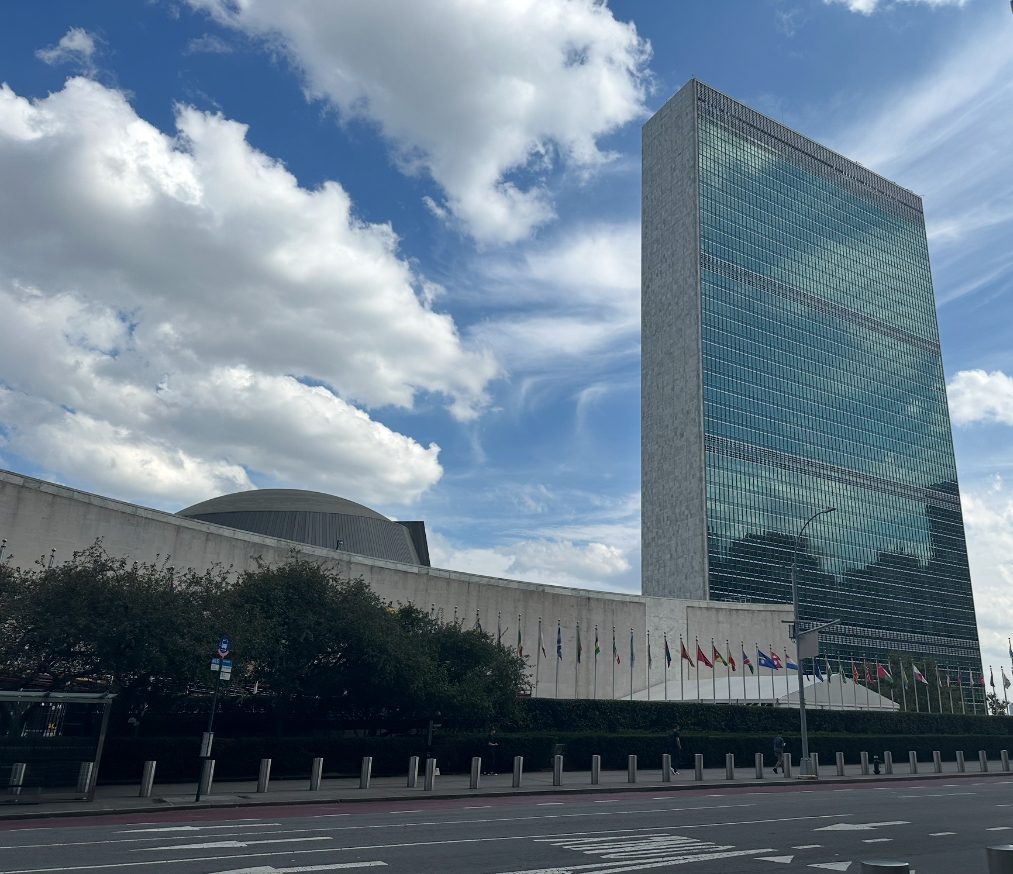
For readers tracking the war through official statements, the chronology is the central finding: Berlin published its Black Sea-first ceasefire position on September 23, Wadephul carried it into the September 26 talks, and the available public accounts still described disagreement. This article compares those records rather than treating renewed contact as a settlement. The accompanying photograph shows the UN headquarters in 2024; it is an archival location image, not a photograph of the ministers’ meeting.
 프리즘코리아 편집국 > Adrian Cole