Beyond the Jalud attack: what the UN's weekly count says about life under settler pressure
A family's blocked return home in Jalud, a UN count of 51 settler attacks in one week, and a procedural US Senate vote each describe a different layer of the West Bank's accountability gap.
On the night of Monday, 28 September, Israel's military agreed to escort the Tubasi family back to two houses in Jalud, a village north of Ramallah that settlers had seized weeks earlier, according to a Reuters report published on 30 September. Witnesses told Reuters that about ten minutes after the family arrived, more than 100 settlers came, set the homes on fire, blocked access roads and threw rocks at Israeli officers.
The military said in a statement that "the mission to return the family to their homes was not completed" because of the violence. It said three officers were injured and two settlers were arrested, and that an investigation had been opened; Reuters did not report Palestinian injuries. Prime Minister Benjamin Netanyahu said he "strongly condemns the violence" and called on law enforcement to prosecute those responsible. Wael Tubasi, who owns one of the homes, said they were "damaged beyond description."
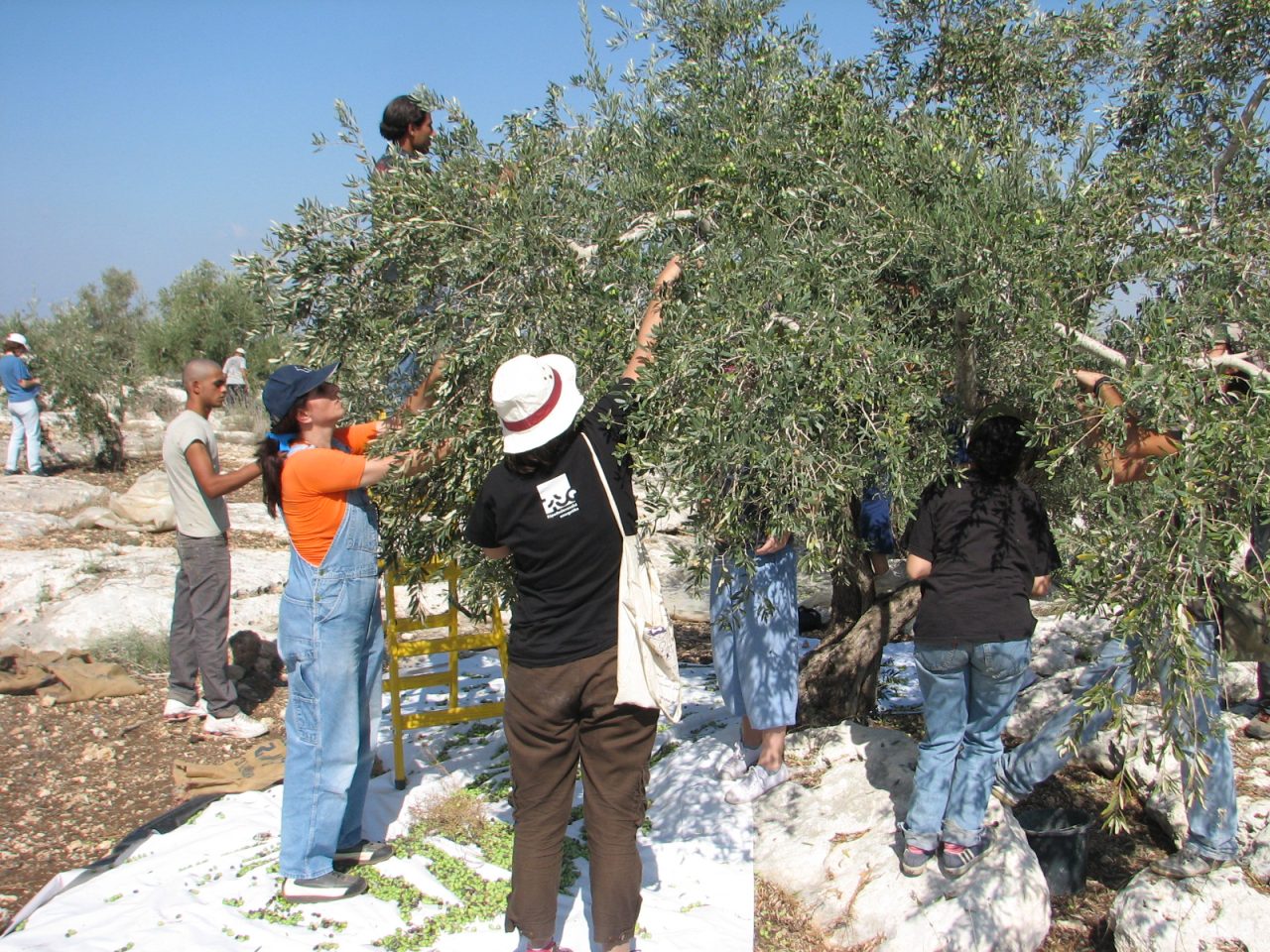
A single episode cannot stand in for the wider pattern, and the UN humanitarian office (OCHA) offers a measured view of it. Its situation report of 25 September covers 15 to 21 September and counts 51 settler attacks that caused Palestinian casualties, property damage or both. At least 800 olive, fruit and palm trees were damaged, uprooted or burned across five governorates. The Jalud attack happened after that reporting week and is not in those figures.
The OCHA report is most useful for what it shows about everyday access rather than headline violence. In Khirbet Yarza in Tubas, repeated attacks damaged crops, trees and about 200 metres of irrigation pipeline. In Susiya and Umm ad Daraj near Hebron, electricity infrastructure was damaged, affecting households and water pumping. In Humsa–Al Bqai'a, settlers reportedly punctured four water tanks used by herding families, and in Silwad at least three homes and five vehicles were damaged.
Access to water was also tied to movement restrictions. OCHA says Israeli authorities' closure of vehicle routes since 15 September has at times blocked water deliveries for several consecutive days around Khirbet ar Ras al Ahmar and Khirbet Atuf, where settler damage to the water network had already disrupted supply for 58 households for over a month. The report also cites WHO on "prior coordination" requirements for ambulances, and describes a settler reportedly breaking the window of an ambulance carrying a child to hospital in Al Mughayyir on 19 September.
The political question of accountability reached Washington the same week. On 29 September the US Senate voted on a motion to discharge S.Res.852, a resolution invoking Section 502B(c) of the Foreign Assistance Act to request information on human rights conditions in Israel. The motion was rejected 47 to 51, with two senators not voting, according to the Senate's official roll call. Rand Paul was the only Republican voting yes and John Fetterman the only Democrat voting no.
That result should be read narrowly. It was a procedural vote on whether to pull the resolution out of committee, not a vote on its contents, and the roll call does not record why any senator voted as they did. It changed no US aid and made no finding about any specific incident.
Putting the three records side by side shows how far accountability still sits from the village level. A military statement and witness accounts describe one thwarted return home; a UN count describes a week of damage to water, power and farmland; a Senate roll call records a procedural outcome. None of them shows a completed investigation or prosecution. What remains to be reported is whether the two detained settlers are charged, whether the Tubasi family is able to return, and whether OCHA's later weekly counts show attacks rising or falling.
 프리즘코리아 편집국 > Adrian Cole