Before Shenzhen, a Trade Truce Test: What Washington and Beijing Still Owe Each Other
Ahead of the Nov. 18-19 APEC summit in Shenzhen, a Nov. 6 U.S.-China trade call put soybeans, rare earths and the truce's January expiry at the center of a likely Trump-Xi meeting.
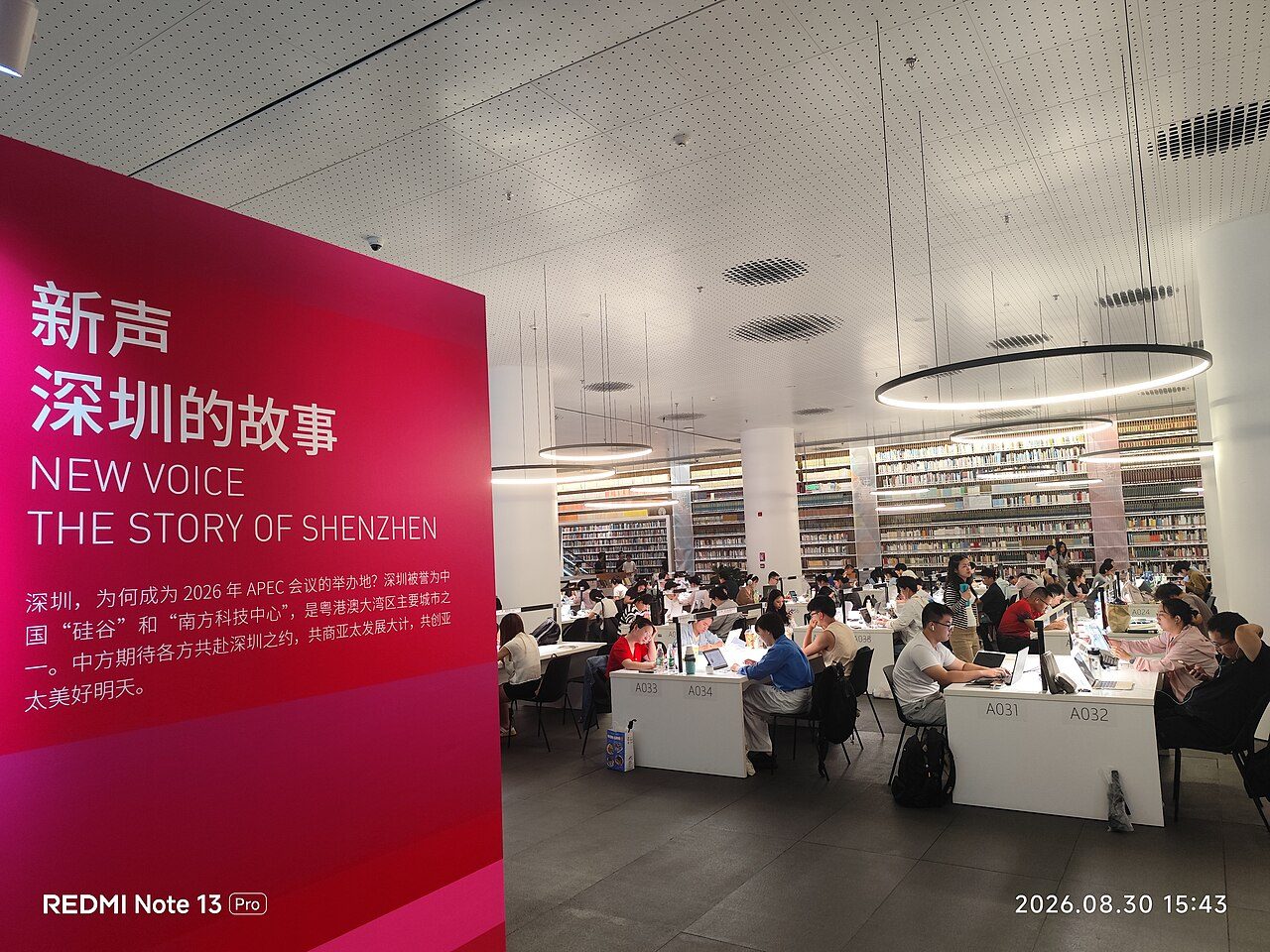
Alongside the speculation over a possible Xi-Trump-Putin encounter, a quieter negotiation will shape what the U.S. and China can announce when the APEC Economic Leaders' Meeting opens in Shenzhen on Nov. 18-19. On Nov. 6, U.S. Trade Representative Jamieson Greer and Treasury Secretary Scott Bessent held a videoconference with Chinese Vice Premier He Lifeng, according to a readout published by the U.S. Trade Representative's office.
The readout records no new commitments. Greer stressed "the critical importance of China taking concrete actions to fully implement its past commitments," with the focus on agricultural purchases, rare earths and other critical minerals, and said the administration would keep monitoring compliance as it pursues "balanced trade" with China. It mentions no follow-up meeting or deadline, and it carries no Chinese response.
The Chinese side was reported by Xinhua, as relayed by Deutsche Welle via Times of Oman. He Lifeng expressed "serious concern" about recent U.S. trade restrictions without specifying which measures he meant, and both sides agreed to strengthen cooperation and manage differences to keep trade relations stable.
The "past commitments" trace to a deal Trump and Xi struck on the sidelines of the 2025 APEC summit in Busan, South Korea, as described by Deutsche Welle. In that account, U.S. tariffs on Chinese goods were capped at about 20%, China agreed to buy 25 million metric tons of U.S. soybeans over three years, and Beijing said it would keep rare earth exports flowing and suspend new export curbs. The arrangement originally ran one year and was extended to Jan. 10, 2027, after Xi visited the White House in September, the same report says.
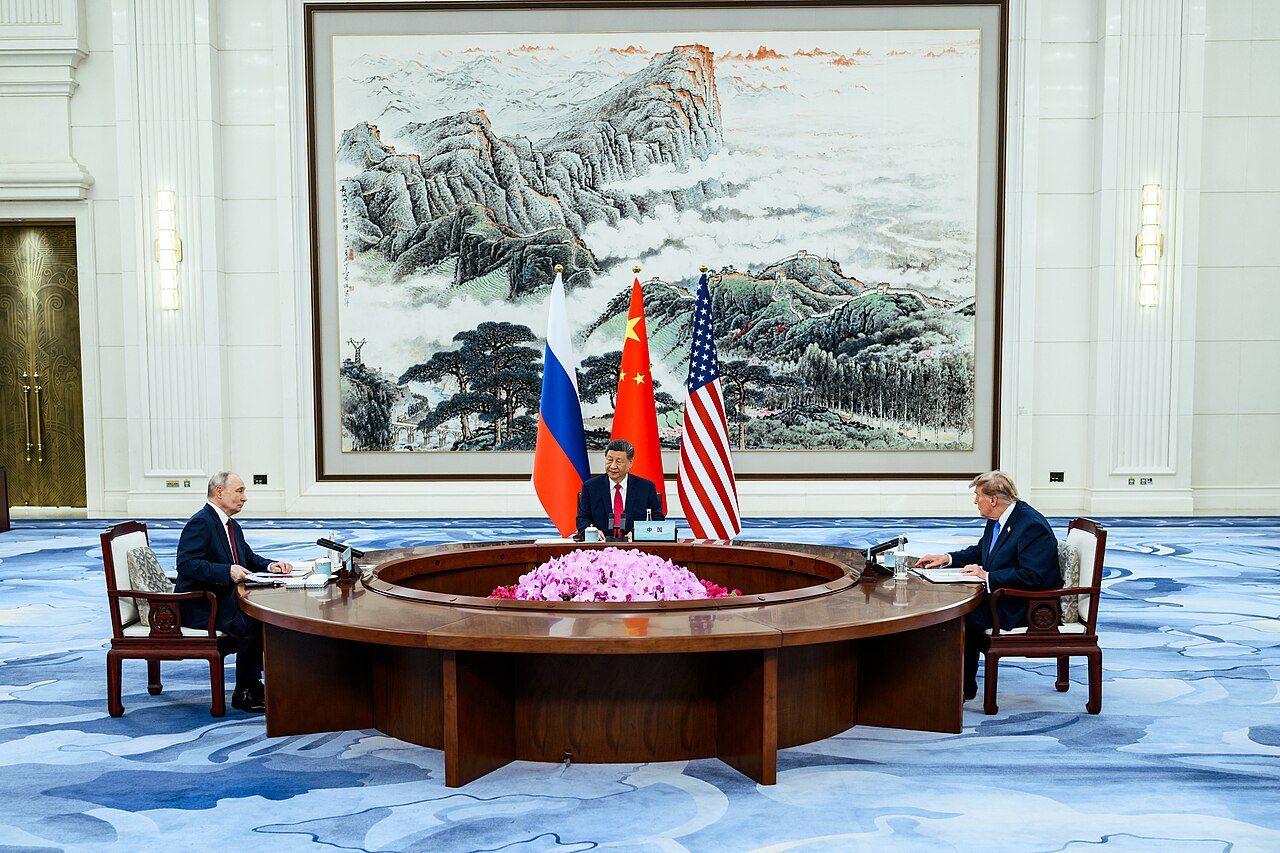
The Associated Press, in a report carried by The Korea Times on Nov. 7, said Trump is expected to meet Xi in Shenzhen for the third time this year and that the current trade truce expires in January. The same report said Greer's call centered on agricultural purchases, rare earths and other critical minerals, and that Trump has expressed interest in nuclear arms control while Putin is focused on Ukraine.
Read together, these accounts suggest the Shenzhen meeting will work partly as a compliance checkpoint: Washington is publicly pressing for visible Chinese follow-through on soybean purchases and mineral supply, while Beijing is raising its own complaints about U.S. restrictions. That is this report's reading of the sources, not a position stated by either government. Craig Singleton of the Foundation for Defense of Democracies, quoted by AP, cautioned that a three-way meeting with Putin could amount to little more than a photo opportunity with diminishing diplomatic returns.
Much remains unconfirmed. No official source has said whether Trump and Xi will hold a formal bilateral session in Shenzhen, what it would cover, or whether the truce would be extended before its January expiry. Al Jazeera notes that Beijing has called trilateral nuclear talks "neither fair, reasonable nor realistic" at this stage, so the agenda could split between nuclear and trade issues. APEC leaders' meetings typically end in joint statements rather than binding agreements, so any trade outcome would more likely emerge from sideline talks.
 프리즘코리아 편집국 > 서유진 · Yujin Seo