Albania protest appeals put investigation and parliamentary dialogue in focus
Two Albanian child-rights appeals seek independent scrutiny of alleged police abuse and a political response to protests. Their demands establish an accountability agenda, not a completed investigation.
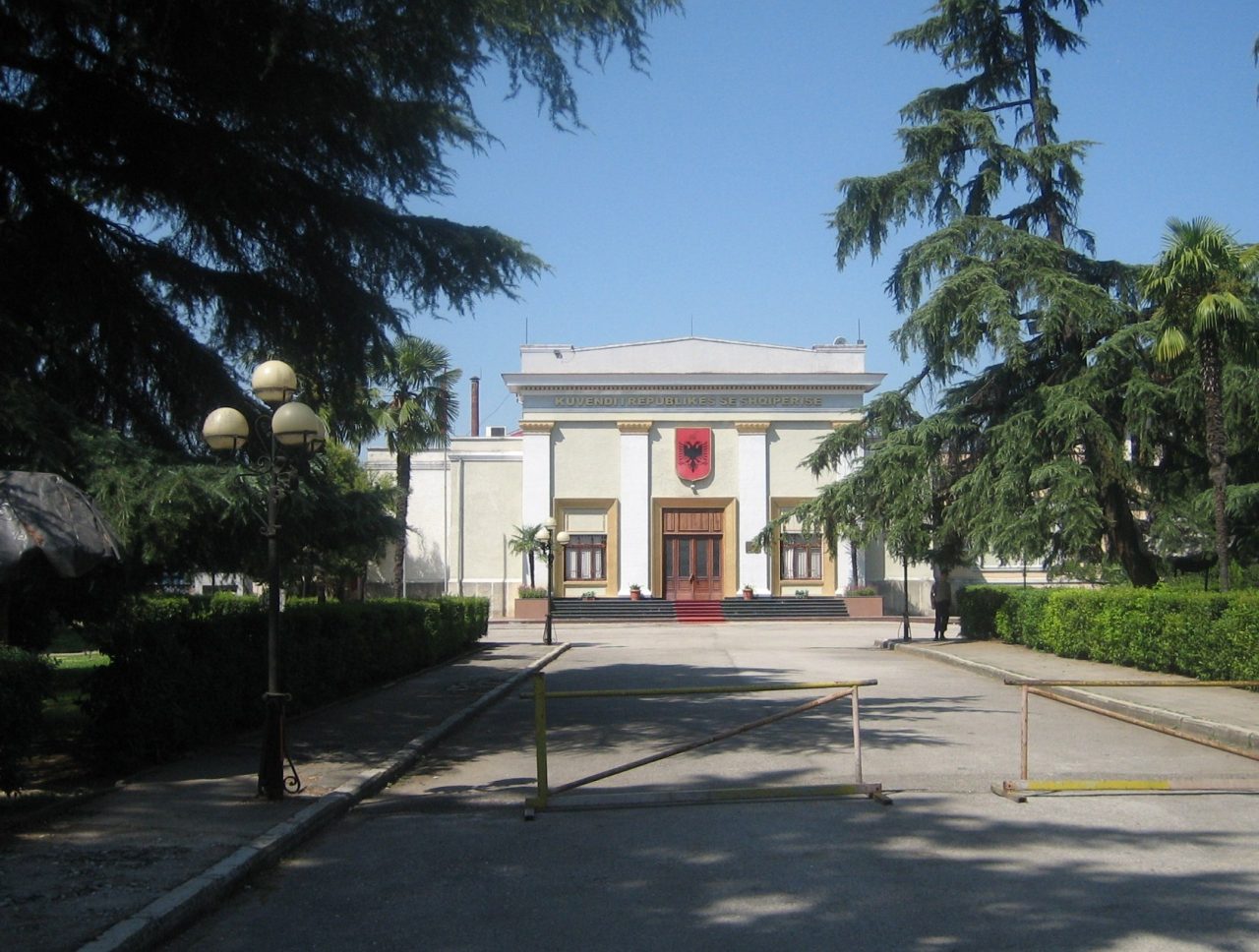
Albanian child-rights organisations have asked parliament and its political parties to open dialogue with young protesters, placing responsibility for the crisis beyond the police response. In an October 15 statement, CRCA–ECPAT Albania and ALO 116-111 also sought independent investigation of allegations of violence against children and adolescents. The statement is evidence of what the organisations demanded; it does not establish that those investigations have begun.
The organisations said they had received reports from media and parents about police violence during protests on October 14 and 15. They called for scrutiny of people in civilian clothing whose identity and authority needed verification. They also condemned attacks on police and property. Those reported incidents remain attributed allegations in this account.
Their requested response includes protecting detained minors, publishing injury and detention data without exposing children's identities, and intervention by the Ombudsman and child-protection bodies. The appeal to parliament seeks dialogue with protesters and accountability from government. None of those requests should be reported as an implemented measure merely because it appears in a public statement.
An earlier appeal, dated October 14, shows how the demands developed. It asked for an immediate child-protection plan involving trained officers, safe exit routes and coordination with medical and child-protection services. It also sought medical and psychological support, notification of parents or guardians, and legal assistance for affected children. These are operational requests that can be checked against subsequent institutional records, rather than a general promise that every demonstration will be safe.
That earlier document said police had not made a protection plan public and expressed doubt that one existed. Absence of a public document, however, is not proof that no internal plan exists. For readers following Albania from abroad, the distinction matters: the organisations' criticism and the evidence needed to resolve it are separate parts of the story.
A different official statement on October 14 addressed damage at the Apostolic Nunciature in Tirana the previous day. Albania's foreign ministry condemned the vandalism and removal of the Holy See's flag, praised the police response and called for investigation and accountability. Its recognition of the right to protest alongside protection of diplomatic premises concerns a specific incident, not a finding on every allegation raised by child-rights advocates.
Taken together, the documents identify several questions for follow-up: whether an independent inquiry is opened, what information authorities release about affected minors, and whether parliamentary dialogue produces an identifiable response. The reviewed statements do not supply final findings or demonstrate that those requested steps have occurred. Reporting that gap preserves the difference between a demand for public accountability and its delivery.
 프리즘코리아 편집국 > 윤도현 · Dohyun Yun