
After the Midterms, Musk's Record Spending Meets Scrutiny and a Texas Setback
Elon Musk's roughly $474 million in disclosed midterm giving did not stop Democrats winning Texas's Senate race, and attention is turning to Democratic oversight plans and Trump's pledge to protect him.
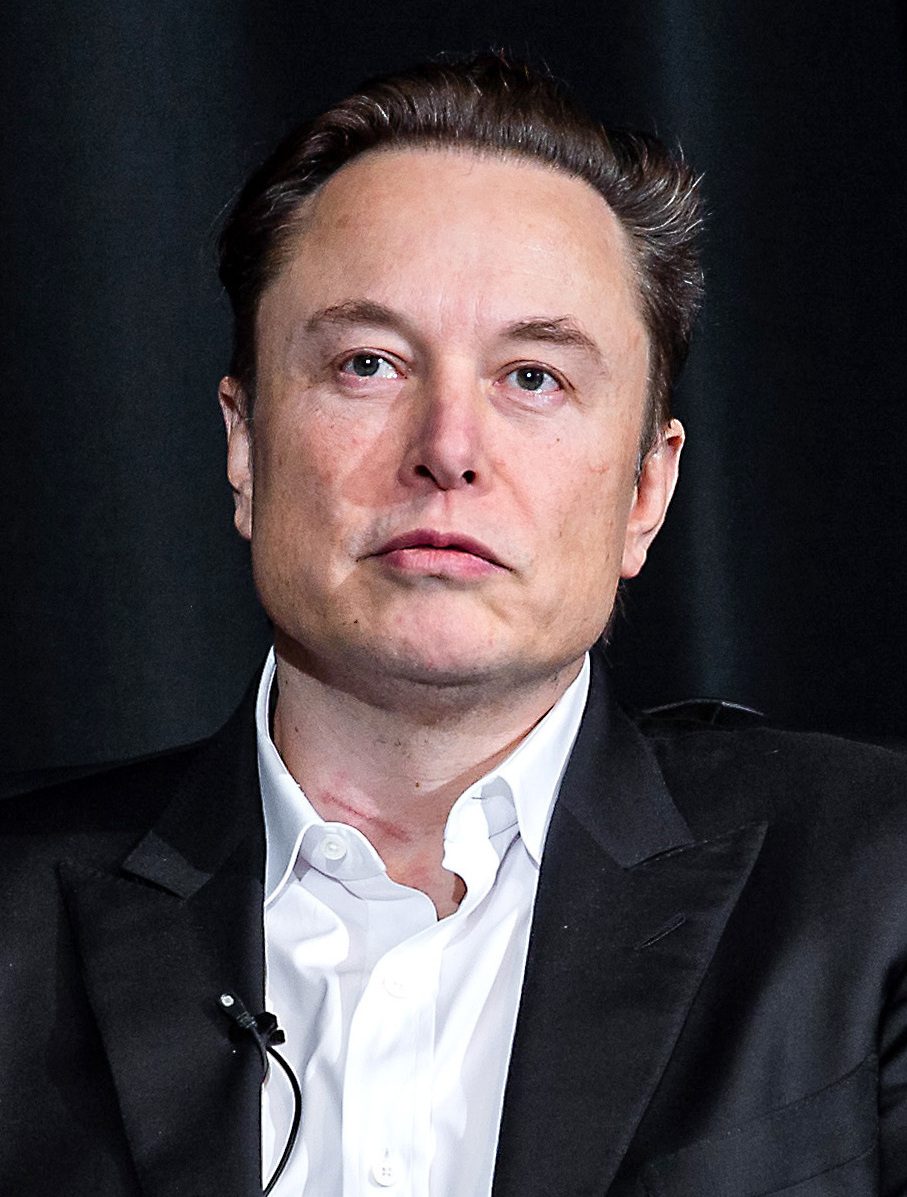
Elon Musk entered the 2026 midterms as the biggest single political donor of the cycle, and he left them with his most heavily backed candidate beaten. TIME reported on November 4 that Democrat James Talarico defeated Republican Texas Attorney General Ken Paxton in the state's U.S. Senate race, which the Associated Press called late on Election Day, Tuesday, November 3. TIME said the race drew $534 million in outside spending, with Paxton's side holding roughly a 2-to-1 advantage, and that "the bulk of that came courtesy of Elon Musk."
How much Musk gave overall depends on the count. A New York Times analysis by Theodore Schleifer, summarized by The Next Web on November 2, put his disclosed political giving this cycle at $474 million, drawn from FEC, IRS and state filings since January 1, 2025. About $216 million went to his America PAC and $168 million to the Senate Leadership Fund, which The Next Web says effectively backed Paxton almost entirely. Another $30 million went to the Congressional Leadership Fund, with roughly $44 million to other Republican groups and candidates and about $16 million to state efforts in Michigan, Texas and Wisconsin. The analysis said the total is almost certainly too low, because it leaves out dark-money donations and federal records run only to October 14.
Figures for the Texas Senate race alone also vary by source. The Next Web, citing the Times, put Musk's support for Paxton at about $212 million, or about $224 million with money to Texas groups. TIME said he flooded the state with $224 million. A live blog from the Washington Examiner, last updated on November 5, said he reportedly spent about $190 million supporting Paxton. The differences likely reflect what each outlet counts, and none of the three explains its method in the pieces read for this report, so the safest summary is that Musk's Texas spending ran well above $150 million by any of these tallies. The Next Web adds that, apart from wealthy candidates funding their own campaigns, no donor has given more in a single cycle, with Michael Bloomberg's 2020 presidential run the exception.
The Texas result itself deserves a caution. TIME reported the AP call for Talarico and said he "cruised to victory" without giving vote totals or a margin. The Washington Examiner's live blog summarized the contest as a Talarico win but also carried a separate entry describing the race as too close to call, citing a RealClearPolitics polling average with Talarico ahead by 2.1 points. That entry may be stale, but the discrepancy is why readers should rely on the AP call as reported by TIME and watch for certified results.
The broader night was bad for Republicans. The Examiner's blog reported that Democrats took control of both the House and the Senate on November 3 and, as of Thursday morning, held 54 Senate seats and 240 House seats, with the Alaska and Mississippi Senate races and 48 House races still uncalled. It also listed a Democratic win in the Texas governor's race, where Gina Hinojosa ousted Gov. Greg Abbott. Vice President JD Vance said on X that "the reason we lost is the war," a reference to the Iran war, while Sen. Ted Cruz said Republicans underestimated the cost of living. Those are the Republicans' own explanations, and the sources reviewed do not test them against exit polling.
The focus now is what Musk's money may cost him. According to Axios, as relayed by The Next Web, President Donald Trump said on a podcast the day before the election that it was "talk" that Democrats might investigate Musk, adding: "But if it is talk, we'll have to protect them." Politico reported in October that Democratic lawmakers plan to examine Musk's tenure at the Department of Government Efficiency, his companies' federal contracts and his role in the Russia-Ukraine war if they won Congress. The Examiner's blog said Democrats have begun hiring investigators and oversight counsel for incoming committees, and that Gov. Ron DeSantis predicted Texas's incoming Democratic attorney general, Nathan Johnson, would target Musk's businesses. That is a prediction, not an announced action.
The markets and the money trail may also matter. The Examiner, citing Bloomberg's wealth index, said Musk's net worth fell $33.5 billion on Wednesday as Tesla and SpaceX shares declined; the live blog does not say the drop was caused by the election, and this report did not independently confirm the figure. What is clear is the contrast Talarico drew during the campaign, saying Musk "is trying to buy this Senate seat." The record spending did not deliver that seat. Whether it brings Musk legal or political consequences will depend on what the new Congress, and the Texas attorney general's office, choose to do from January.
 프리즘코리아 편집국 > Adrian Cole




