After Ekurhuleni, South Africa sets 60- and 90-day tests for stalled cases
President Cyril Ramaphosa’s response to the killings of women in Ekurhuleni gives police, justice officials and municipalities dated tasks. The first public test is whether case audits, forensic-backlog plans and safety inspections produce verifiable results, while investigators still have not established that one perpetrator committed the deaths.
South Africa’s president has attached clocks to the state’s response to the deaths of women in Ekurhuleni. In a 29 September address, Cyril Ramaphosa ordered a national audit of unresolved serious cases involving women and children within 60 days, individual recovery plans for priority or stalled cases within 90 days, and public quarterly reporting. Those are commitments to find delays and name responsibility. They are not findings that the Ekurhuleni murders have been solved or that the country’s wider violence has fallen.
Ramaphosa said another woman’s body had been found in Springs on the preceding Sunday, bringing the number found in Ekurhuleni since July to 11 as of his address. His figure is dated: an interministerial statement on 20 September had listed nine. The president separately described arrests connected to three named victims. One suspect was arrested in the killing of Ntombifuthi Nxumalo, two suspects had appeared in court over Jabulile Ntimba’s killing, and a suspect was in custody over Busisiwe Mahlangu’s death. An arrest in one case does not determine guilt in court or establish a common perpetrator across the cases.
The president explicitly said police had not found evidence that a single person committed the killings, although possibilities remained under investigation. He described an investigation coordinated nationally by the deputy national commissioner for detective services, involving detectives, crime intelligence, forensic specialists, investigative psychologists and digital investigators. That distinction matters when a cluster of discoveries is discussed as if it were already one proved criminal series. The 29 September address supplies a later, more specific test of the state’s promised follow-through.
The first deadline is an inventory. Within 60 days, the police and justice ministers are to identify the number and age of unresolved murders, attempted murders, rapes and serious sexual offences involving women and children. The audit must also identify cases awaiting forensic evidence, those with an identified but unarrested suspect, and cases in which investigation or prosecution has been unreasonably delayed. Within 90 days, each priority or stalled case is supposed to have a recovery plan naming the action still needed, the responsible official and a deadline. The speech sets these requirements nationally; it does not publish an Ekurhuleni case-by-case inventory or say how many local files meet each category.
A second 60-day instruction targets forensic delays. Ramaphosa called for a funded plan stating the size and age of the backlog, shortages of staff and equipment, required resources and dates for reducing it. Priority samples from rape or murder cases involving women and children are to be marked for urgent processing, with progress against turnaround standards reported publicly every quarter. A target to produce a plan is different from a completed test or a court-ready case. The president said investigators had already collected DNA and other material in the Ekurhuleni inquiry, but did not give a processing status for each sample.
Municipalities received a separate assignment. Within 60 days, women’s safety audits are to identify hazards such as broken streetlights, overgrown spaces, abandoned buildings and unsafe transport routes. The most urgent hazards must be fixed, or placed in a funded implementation plan with completion dates, within 90 days after the audit. The public is promised the audit results and progress updates. That creates a way to check local action, but a repaired light would not by itself prove that a murder investigation had advanced or that violence had been prevented. It should be measured as an infrastructure response on its own terms.
The national address also called for a legislative and enforcement package on alcohol-related violence within 60 days. Ramaphosa said harmful alcohol use can aggravate interpersonal violence, while responsibility for abuse remains with perpetrators. The measures are prospective Cabinet work, not a new law already in force. A first consolidated progress report from the interministerial committee and the National Council on Gender-Based Violence and Femicide is due within 90 days, followed by quarterly public reports. These dates make the response more testable, but the address itself contains no completed audit, funded backlog schedule or municipal completion list.
Parliament had already asked for measurable accountability. Its Presidency oversight committee said on 21 September that it would demand progress briefings on implementation of the national gender-violence plan and support for affected families. A 29 September parliamentary speech by Deputy Justice Minister Andries Nel described a police information centre intended to show where cases stall, whether suspects have been arrested and why prosecutions are postponed. He also acknowledged 1,658 sexual-offence charges withdrawn in the first quarter of 2026/27 and 563 sexual-offence cases that had remained in the system for at least 24 months. Those are national system figures from a ministerial speech, not counts of Ekurhuleni cases.
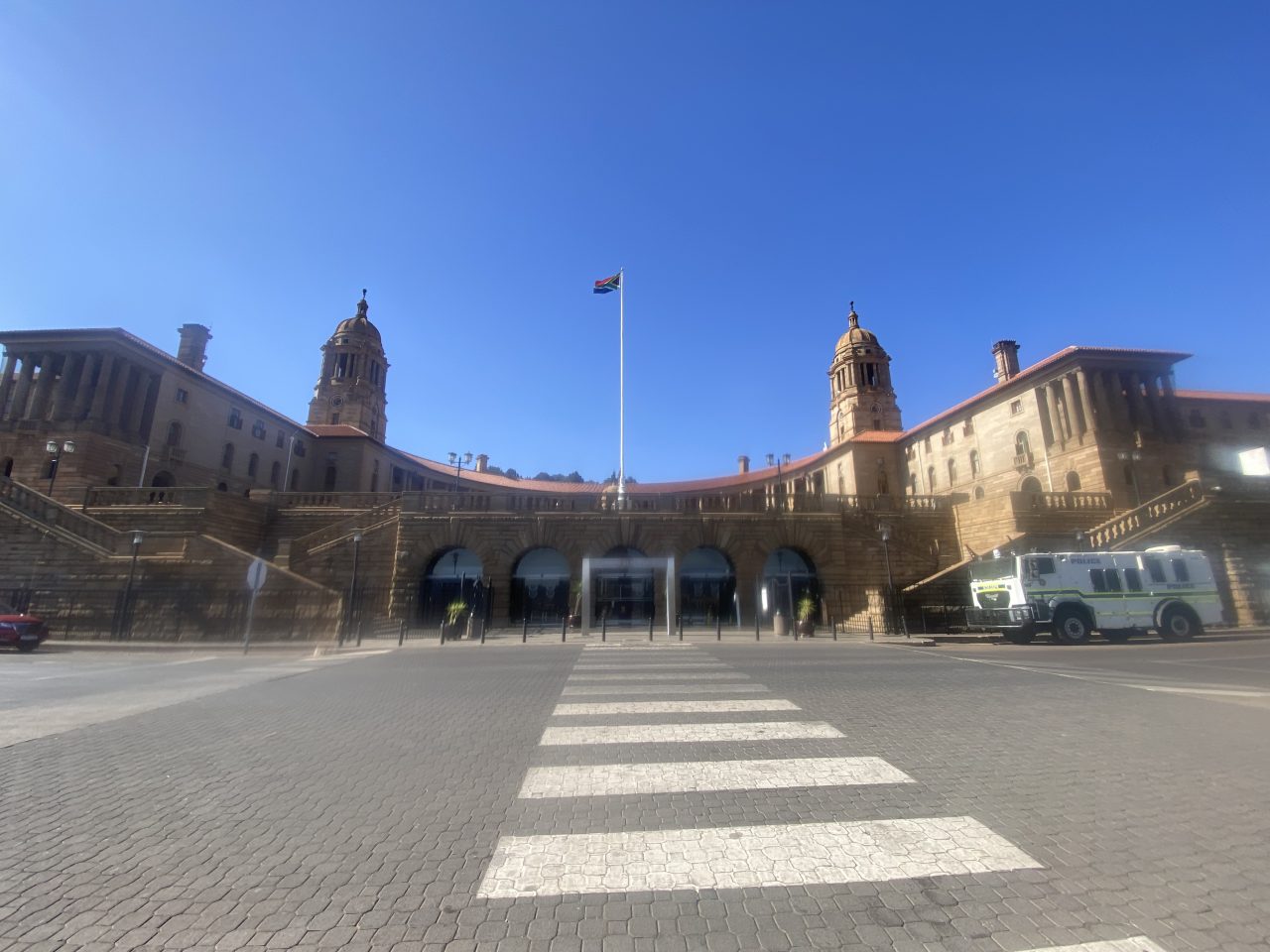
For readers following this investigation from outside South Africa, the next evidence is documentary: a dated case audit, a funded forensic timetable, published municipal hazard lists and progress reports that distinguish actions taken from outcomes achieved. The president’s deadlines create named questions for those documents. Whether agencies meet them, and whether particular Ekurhuleni cases reach prosecution and conviction, remains to be established. The accompanying Union Buildings photograph is archival government context, not a crime scene or an image of the 29 September address.
 프리즘코리아 편집국 > 윤도현 · Dohyun Yun