vivo X500 Pro Max: What Early Hands-On Reviews Say About the 400mm Extender, Video and Quirks
Two hands-on reviews published before the 27 October European launch praise the 200MP telephoto and optional 400mm extender, but also report software bugs and note limits on digital zoom.
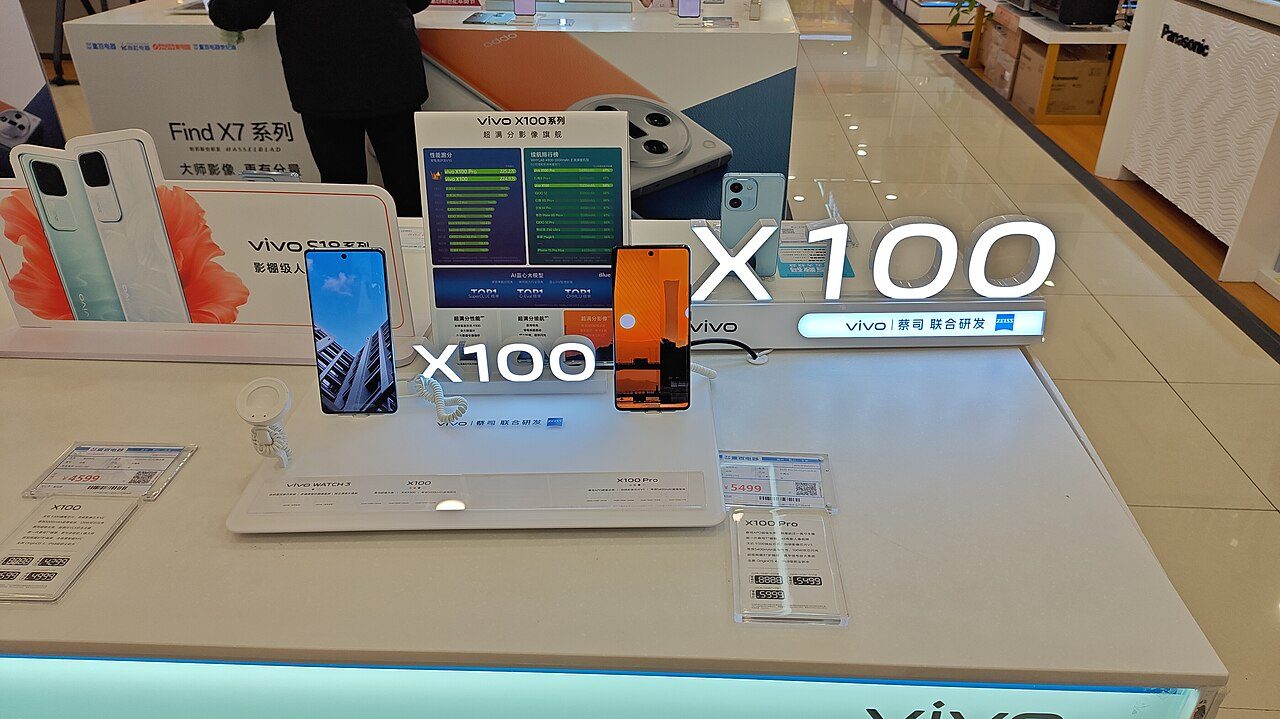
vivo's X500 Pro Max reached Europe on 27 October, and the early independent impressions of its camera system are worth separating from the manufacturer's spec sheet. Two hands-on write-ups published a month earlier, from TechRadar and Malaysia's Lowyat.NET, were based on pre-launch units. They are individual reviewers' experiences, not lab tests.
TechRadar's Timothy Coleman, writing on 29 September, tested the optional 4.7x teleconverter on the phone's 3.5x telephoto camera (85mm equivalent) for roughly 400mm of reach. He reported that the extender is selected from the camera menu, which corrects the mirror-inverted image automatically, and that it works alongside other shooting modes rather than needing a dedicated one. He said it kept access to 200MP resolution, Pro mode with RAW and the SnapShot action mode, which he said an Oppo rival's teleconverter mode lacked. By his account the 400mm results were sharper than the 3.5x camera or its 10x digital zoom.
He also listed limits. Stabilization is decent but does not match the main camera's, and he recommends a tripod; the lens ships with a collar and tripod mount. He still found he could shoot sharp stills, smooth video and track subjects handheld at 400mm. Digital zoom reaches 3,200mm but looked artificial when examined closely, and he judged shooting at 200MP and cropping to be the better route. His comparisons with Honor and Apple phones relied on third-party accessories and another creator's demonstration, not a side-by-side test, and he noted he still owns the Oppo phone, so the verdict is personal.
Lowyat.NET's Heirul Kamel, writing on 28 September, reached similar conclusions about reach: with the extender kit the telephoto hits a 400mm equivalent, and he considered 1,600mm his practical digital limit, with fine detail looking less convincing at 3,200mm. He reported 4K at 60fps in Portrait Video and up to 8K at 30fps in standard video, and praised the HDR processing for balancing exposure in difficult light. He called the roughly 250g phone hefty and top-heavy because of the camera bump.
The same review lists problems. HDR did not always activate when shooting quickly and sometimes took seconds to balance lighting; the telephoto occasionally failed to focus; the camera app crashed once; and selfie colour consistency trailed the rear cameras. The reviewer suspected software causes that could be fixed before global launch, and battery life and gaming had not been tested. Whether launch firmware fixed any of this is not established by the sources reviewed here.
On purchase terms, Notebookcheck's 27 October launch coverage gives European prices of 1,599 euros (256GB), 1,799 euros (512GB) and 2,199 euros (1TB, sold only through vivo's official European shop). The 200mm extender lists at 299 euros and the 400mm extender at 459 euros, so the extender is a separate cost. It reports a five-year battery warranty and a three-year EU warranty, with pre-launch registrants getting a 120-euro voucher and a free camera grip on orders through 30 November. TechRadar's September caveat that the series and accessories were China-only has been overtaken for Europe by the launch, but it said vivo flagships have not been sold directly in the US or UK, and none of the sources reviewed confirms sales there. None of this amounts to PRISM testing the device; battery life, long-term reliability and launch-firmware camera behaviour still lack independent measurement in the material reviewed.
 프리즘코리아 편집국 > Lin Avery 林安宁