Teesside Freeport at five: what the 3,114 jobs figure counts, and what the 8,955 does not
The Tees Valley Combined Authority's anniversary release reports 3,114 jobs linked to completed and operational sites and a separate 8,955-job forecast for pipeline projects; most of the first figure is construction work.
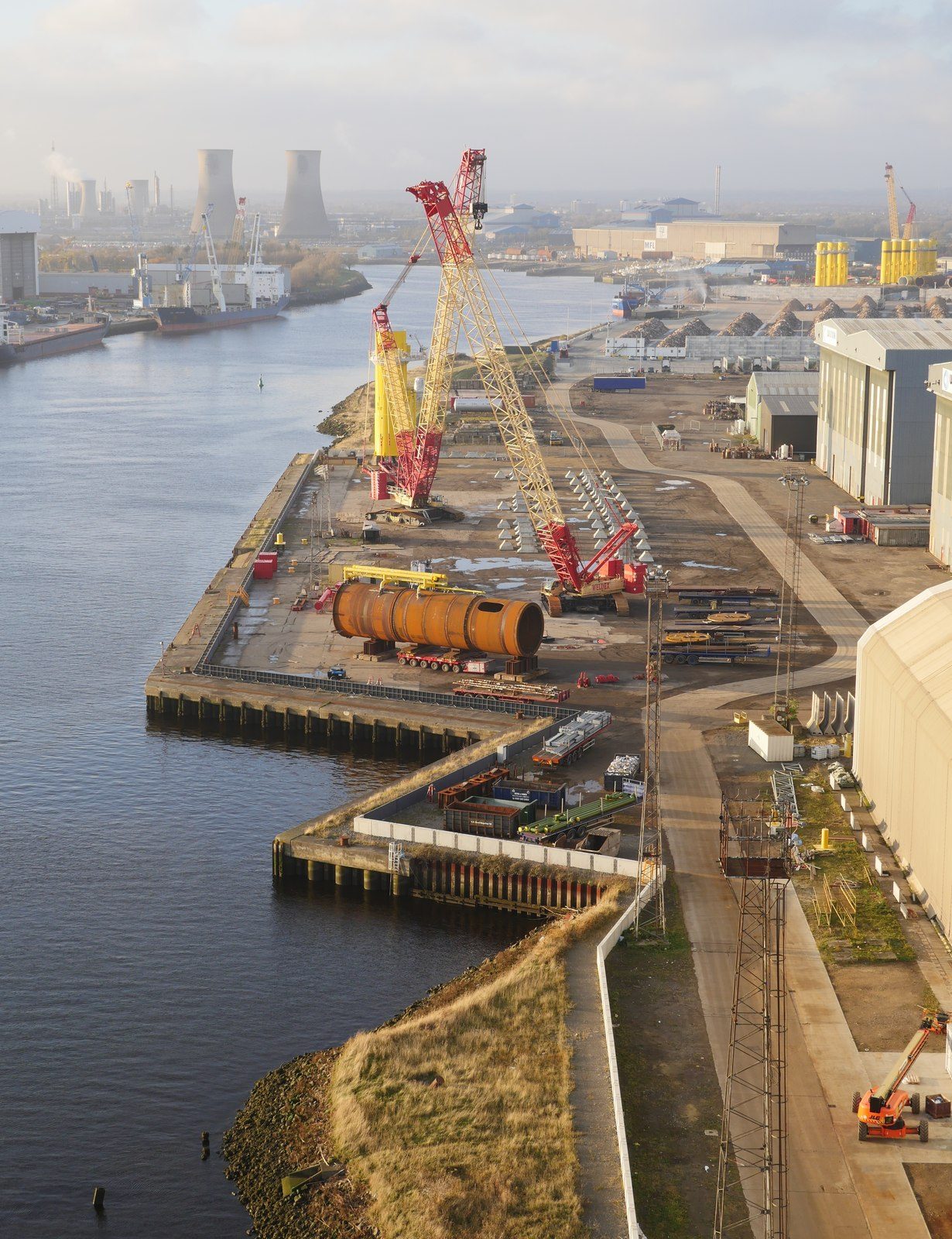
On 20 November 2026 the Tees Valley Combined Authority published figures to mark five years since Teesside Freeport launched in November 2021. Its headline is "3,100 jobs created with almost 9,000 in the pipeline", rounded from two different numbers: 3,114 jobs tied to completed and operational developments, and 8,955 jobs forecast for projects still in the pipeline.
The release breaks the 3,114 into 717 direct posts, 1,830 construction roles and 567 supply-chain jobs, which does sum to 3,114. Construction is therefore about 59 percent of the total, and direct posts under a quarter. The release does not say whether construction roles are counted as full-time equivalents, as short-term site work or as person-years, so the 3,114 should not be read as 3,114 permanent positions.
The 8,955 is described as a forecast for future developments, not as jobs already created. The rounded headline places "3,100 created" next to "almost 9,000", which a quick reader could take as one running total of about 12,000. They are an outcome as counted by the authority and an expectation.
On land, the release says more than 70 percent of tax-site land is occupied or subject to serious investor interest. The Freeport includes 1,500 acres of designated tax-zone land, and more than 1,400 acres of development land at Teesworks and Wilton International remains available. It does not explain how those two acreage figures relate, or define "serious interest". Eligible businesses within a 45-kilometre radius can potentially benefit from tax and customs incentives.
Companies named as already located on the Freeport include SeAH Wind, Mura Technology, Severfield, Cadeler, Ørsted and ASCO. The pipeline cites LanzaJet and Willis Sustainable Fuels, NatPower battery storage, a Viridor energy recovery facility and a construction programme linked to Net Zero Teesside. The next phase is tied to sustainable aviation fuel, hydrogen, energy storage and carbon capture.
Ben Houchen, Tees Valley Mayor and chair of the Freeport Board, said: "These figures show we're delivering on that promise" of bringing jobs, investment and industry back to the region, and that there is "still more to do". Mark Devine, commercial director at Sembcorp and a board member, said the interest shown gives confidence that further investment will come forward.
The figures should be read with caution. The only source is the body that promotes the Freeport, and the release carries no methodology: no cut-off date, no rule for when a job counts as linked to the Freeport, no account of how the 8,955 forecast was built, and no estimate of how many jobs would have appeared without Freeport status. The release adds that the duration of Freeport reliefs was extended from five to ten years to support pipeline projects moving towards delivery, but gives no effective date. Whether the forecast turns into jobs will only be visible in later reports that publish their method.
 프리즘코리아 편집국 > Mara Stein