South Korea's Q3 growth beat forecasts, but chips did much of the lifting
The Bank of Korea's advance estimate showed 1.0% quarterly growth, well above forecasts, with semiconductors credited for about half of it while household spending fell.
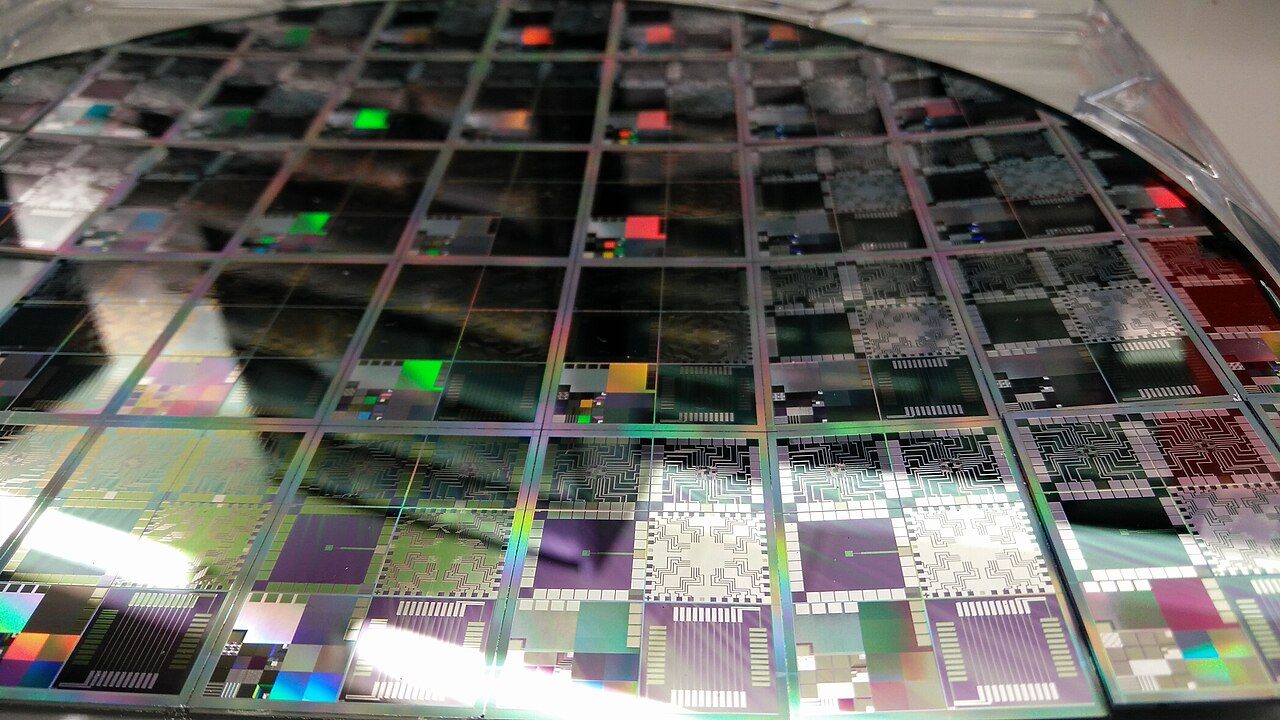
South Korea's economy grew 1.0% in the July–September quarter from the previous quarter and 3.4% from a year earlier, according to the Bank of Korea's advance estimate released on 27 October 2026. Growth in the April–June quarter was 0.6%. The result topped the central bank's own August forecast of 0.3% and the median of 0.7% in a Reuters poll, as reported by EconoTimes and Al Jazeera.
The expenditure breakdown points toward trade and investment. Exports rose 2.3% on the quarter, led by semiconductors, machinery and electrical equipment, and Al Jazeera notes that exports account for about 45% of GDP. Facility investment rose 4.1%, supported by machinery purchases that Reuters said included chip-production equipment. Intellectual-property investment rose 2.3% and construction investment rose 0.7%. Imports rose 2.4%, which subtracts from GDP in the accounts.
Lee Dong-won, director general of the Bank of Korea's economic statistics department, estimated that semiconductors accounted for roughly half of the expansion, according to EconoTimes. That makes the headline figure heavily dependent on one sector. Al Jazeera reports that SK Hynix and Samsung Electronics together hold about 80% of the global high-bandwidth memory market and about 60% of the DRAM market; those market-share figures are Al Jazeera's, not part of the central bank release. September exports rose 83.5% from a year earlier to $120.9 billion, per the Korea Customs Service, with chips making up nearly half of shipments.
The gains were not shared evenly. Private consumption fell 0.2% on the quarter. EconoTimes, relaying Reuters, linked weaker spending on financial services to a stock-market slump and lower car purchases to strikes at major automakers; these are the news agency's explanations rather than a finding by the central bank. Real gross domestic income rose 3.4% on the quarter and 18.8% on the year, which Yonhap described as the strongest annual gain since the fourth quarter of 1977. Lee said, per the Korea Herald, that corporate income had risen sharply but takes time to reach households.
What the figures cannot show is how durable the pattern is. This is an advance estimate that will be revised, and Yonhap reported the central bank is due to issue updated growth projections next month. Finance Minister Lee Hyoung-il has said he expects 2026 growth of 3.4–3.6%, which would be the strongest since 2011 outside the pandemic, after 1% growth in 2025. Whether strong chip earnings broaden into household income and wider investment, or the economy stays dependent on one export line, is the open question these data raise rather than answer.
 프리즘코리아 편집국 > Mara Stein