Sports

Nagoya pairs venue maps with text routes, but visitors must check the language

The city's Asian Games access pages direct screen-reader users from image-only PDFs to text routes. The alternative format is available in Japanese and covers venues within Nagoya.
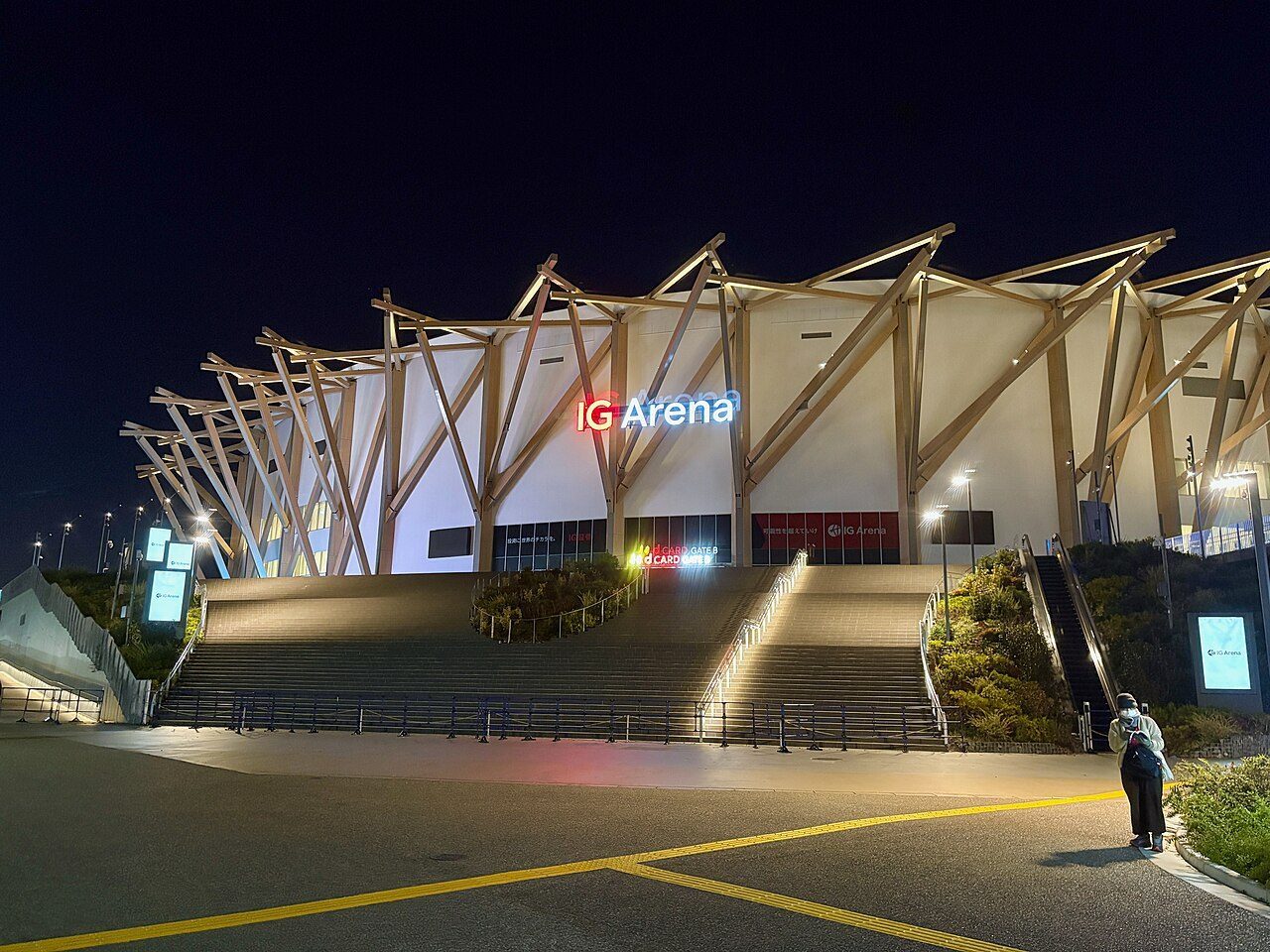
The illuminated exterior of Aichi International Arena at night in November2025.
Aichi International Arena on November 29, 2025. Reference photograph of an Asian Games venue, not a 2026 ticket queue. Kyu3a / Wikimedia Commons, CC BY-SA 4.0. · 참고 이미지 / Reference image · Kyu3a · 출처 / Source · CC-BY-SA · Contributor-declared changes: Server compression, English caption and alt; no crop.. PRISM automatically re-encoded with JPEG quality 82; 1280x960 to 1280x960 pixels, aspect ratio retained with no upscaling.

Nagoya's venue-access maps offer a distinction for visitors using screen readers: some PDF maps contain images without text, so the city provides a read-aloud route page. Both pages were updated on September 18 for the Asian Games and Asian Para Games.

The material covers routes from nearby stations to competition venues within Nagoya. It is not a map of every Games venue across Japan. Entries are organised by venue and sport, allowing readers to choose the destination before opening its route information.

For Aichi International Arena, the text page identifies access from Meijo Koen subway station and links a plain-text file. It lists judo and basketball for the Asian Games and wheelchair basketball for the later Para Games.

Interpretation

For English-reading travellers, the format is handy but the source text is Japanese. The city offers a language menu, yet it does not establish an English version of every linked file. Checking the route's format and language before departure remains necessary.

Claire Bennett프리즘코리아 편집국 > Claire Bennett

Original sources

  1. Nagoya City — barrier-free venue maps ↗
  2. Nagoya City — read-aloud map page ↗
  3. Nagoya City — Aichi International Arena route text ↗
Report an error ↗

Related stories

Sports · 2026.10.01

Baugh and Clark supplied 268 of Florida’s 302 rushing yards against Ole Miss

Florida’s 52–28 win over Ole Miss was built on 302 net rushing yards across 53 team attempts. Jadan Baugh gained 142 on 29 carries and scored three rushing touchdowns, while Duke Clark gained 126 on 12 carries and scored once. The official play-by-play shows two different contributions: Baugh finished longer possessions near the goal line, and Clark’s 45-yard run answered a third-quarter Ole Miss touchdown. Those figures describe this game, not a forecast of future rushing efficiency.

Sports · 2026.09.29

Nebraska's 157–39 rushing edge framed its 31–13 win at Michigan State

Nebraska and Michigan State each recorded 22 first downs, yet Nebraska won 31–13 and outgained the Spartans 157–39 on the ground. The official scoring log shows two early Nebraska touchdown drives, a Michigan State response before halftime and a 12-play Nebraska touchdown drive after a blocked field-goal attempt. Michigan State back Jaziun Patterson gained 54 rushing yards individually, so the 39-yard team total should not be mistaken for his personal line.

Sports · 2026.09.28

Bryce Lovett’s SEC honor spotlights protection behind Florida’s 52 points

Florida left tackle Bryce Lovett was named the SEC’s offensive lineman of the week after the Gators beat Ole Miss 52–28 on September 26. Florida’s postgame account credits him with no pressure allowed across 69 snaps and says the line gave up no sacks. The official box score confirms zero sacks against quarterback Aaron Philo and 302 rushing yards, but those team totals cannot be assigned to one blocker alone. The award adds an offensive-line angle to a result often told through its runners.