How RJ Mitte's Rio television role took him beyond an acting part
Channel 4's archived announcements assigned RJ Mitte reports and studio contributions at Rio 2016. His later IPC interview adds a personal account, while leaving audience impact and the delivery of every planned segment unproven.
RJ Mitte's move into Channel 4's Rio 2016 Paralympics coverage gave the actor a different kind of television role: introducing viewers to the atmosphere and people of a sporting event. Archived broadcaster announcements and his later account show how that assignment differed from both an acting part and a specialist commentator's job.
Channel 4 announced his appointment on 17 November 2015. Its plan placed him in Rio to comment on daily stories, present features and reports, and appear on The Last Leg. The broadcaster explicitly linked the booking to his international recognition from Breaking Bad. That was the rationale given by the commissioning organisation, rather than independent evidence that celebrity participation changed audience attitudes.
The fuller team announcement of 14 July 2016 made the allocation of work more specific. Clare Balding would anchor the evening highlights, with Jonathan Edwards contributing expertise and Mitte providing special reports. The ceremony plans put Mitte among the studio contributors alongside the co-hosts. Separately named specialists were responsible for individual sports. The document therefore supports a defined reporting and studio role, without making him the lead presenter of all the Games.
Those advance announcements need to be distinguished from a record of what he experienced. In the International Paralympic Committee's archived A Winning Mindset interview, Mitte recalled visiting wheelchair basketball, judo and track events in Rio. He described the athletes' performances and the presence of children and parents as striking features of the visit. The account is a participant's retrospective, not a broadcast log establishing that every planned segment aired.
The same interview provides a connection between his two television careers. Mitte said Breaking Bad had enabled his opportunity with Channel 4, and described a responsibility towards both the community and television. His comments make the move intelligible as an extension of his public-facing work; they do not establish that his contribution alone caused a change in the industry's hiring or viewers' perceptions.
For English-speaking viewers revisiting this part of his career, the useful distinction is between recruitment, an announced programme role and personal recollection. Together, the records document an actor bringing a newcomer's perspective to Paralympic coverage. They leave audience impact and the delivery of every scheduled appearance as separate questions requiring different evidence.
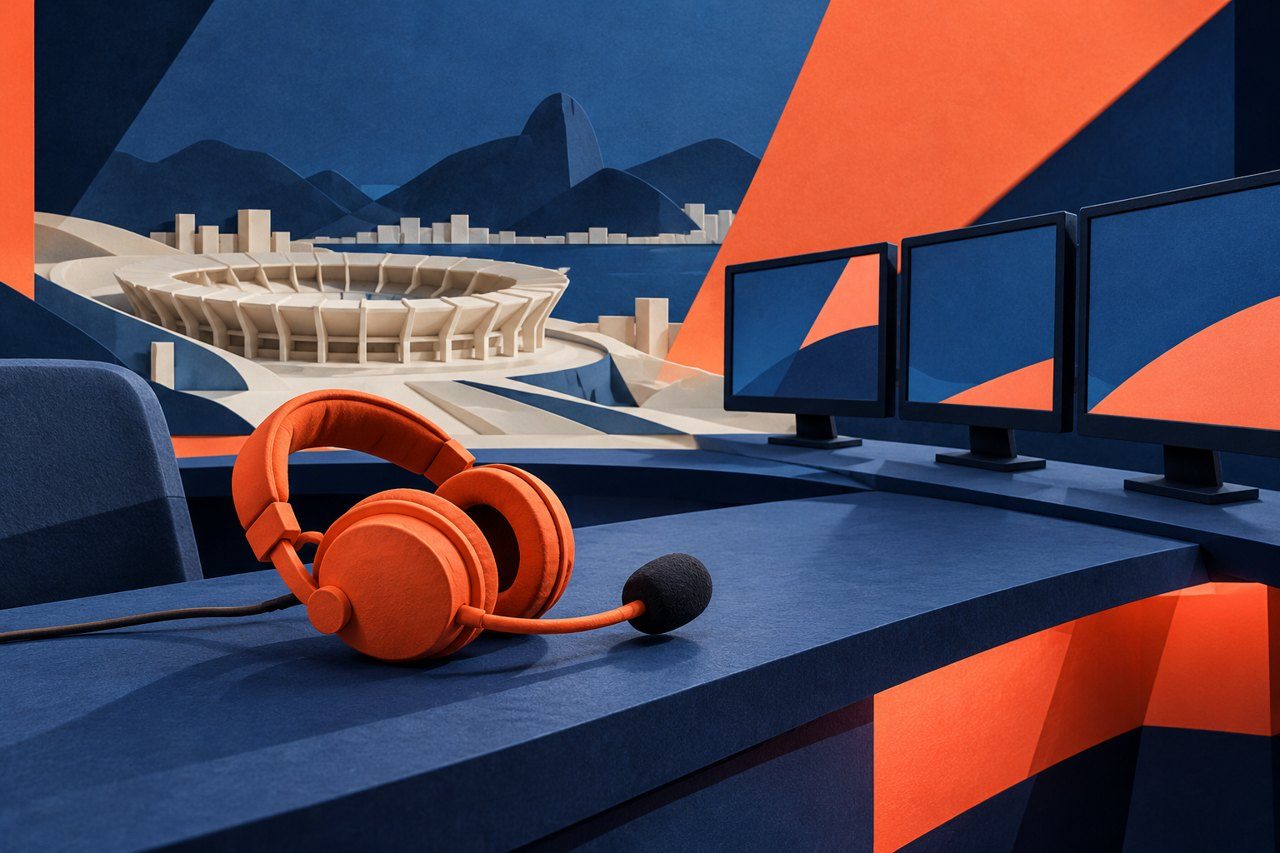
The accompanying image is a newly generated conceptual illustration of broadcasting equipment and a stadium model. It is not a photograph of Mitte, Rio or Channel 4's actual studio.
 프리즘코리아 편집국 > Maya Collins