Behind Hillman’s revival: how HBCU students helped make A Different World
Netflix has renewed its A Different World sequel, but the first season’s connection to historically Black colleges extends beyond its fictional setting. The company says it filmed at Atlanta locations including HBCU campuses, consulted students during writing and production, and hired 33 students as paid production assistants. Those are documented first-season efforts; Netflix has not said which arrangements will continue for season two.
The renewed A Different World sequel is set at Hillman College, a fictional historically Black institution. Its first season was also made with participation from real HBCU campuses and students. In a September 29 production account, Netflix said the series filmed at Morehouse College, Spelman College, Clark Atlanta University and Atlanta Metro State College among 11 city locations. The distinction matters: Hillman is a television setting, while the named institutions are real places that contributed locations or personnel to the 2026 production.
Netflix said filming took 57 days, entirely in Atlanta. Its production account reported 290 cast and crew, plus 1,800 daily hires and extras. These are the company’s figures for the first season, not an independently audited economic impact study. The same account says 40 cast and crew members were HBCU graduates, with roles extending from the writers’ room and casting to post-production. That is a different claim from saying that every scene accurately depicts life at each campus. A fictional school can draw on real experience without representing any single institution.
Netflix describes two student advisory arrangements. A writers’ room council brought together current HBCU students from around the United States to discuss present-day campus issues and events. Once production moved to Atlanta, an on-set council of students from the Atlanta University Center institutions offered feedback and shadowed departments such as props, costumes and set production. Netflix does not publish the councils’ advice in full or identify which plot decisions followed it. Their existence shows a consultation process; it does not allow viewers to attribute a particular line or scene to a particular student.
A separate student engagement initiative provided paid, non-union production assistant roles to 33 students, according to Netflix. The company says the students shadowed work in accounting, art, costumes, grip, electric, locations and the writers’ room, with schedules designed around classes. That is a concrete route into production work, though the release does not state pay rates, hours or later employment outcomes. Netflix also says roughly 59% of background performers came from HBCUs and about 32% were current students. Those percentages describe the first-season background cast, not the series’ total workforce or the student body of any one school.
The off-screen work connects to the series’ two-generation story. Deborah Wayne, played by Maleah Joi Moon, attends Hillman as the daughter of Whitley Gilbert and Dwayne Wayne, whose original actors Jasmine Guy and Kadeem Hardison return. The older series began in 1987; the new series follows Deborah’s first year with a new student group. Netflix’s renewal announcement says season two will follow the group after summer break into sophomore year. Showrunner Felicia Pride promises further college life and HBCU themes, but Netflix has not announced a new production timetable, a roster of participating campuses or a second-season student employment programme.
Netflix also took the first season to campuses before its September 24 launch. Its production account says a Road to Hillman tour stopped at Prairie View A&M, Chicago State, Hampton and Howard, followed by an Atlanta premiere at Morehouse College’s Martin Luther King Jr. International Chapel. The account groups HBCUs and predominantly Black institutions together; it should not be read as a claim that every tour stop has the same institutional designation. Promotional events may connect a series with communities depicted on screen, but attendance or approval by all HBCU students cannot be inferred from the tour.
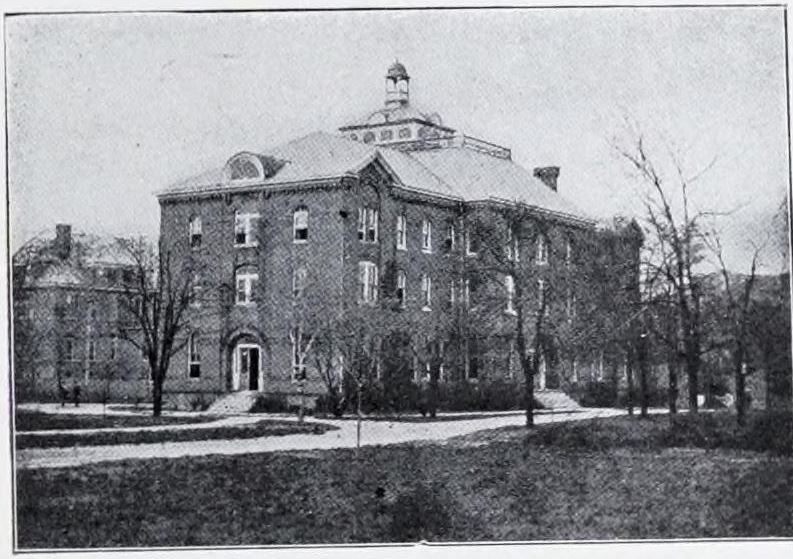
The renewal arrived on October 2, after Netflix reported that the first season entered its English-language television Top 10. The cultural and production record is more specific than a general claim of “authenticity”: named campuses, student councils, paid assistant roles and a documented tour. Each is sourced to Netflix’s own account, with no independent evaluation of participants’ experiences supplied there. For viewers awaiting season two, the open question is whether the newly commissioned episodes will retain or change those first-season practices. The archival photograph accompanying this article shows Rockefeller Hall at the real Spelman Seminary in a circa-1910 publication. It is historical context, not Hillman, a filming location in 2026, or evidence of a scene from the show.
 프리즘코리아 편집국 > Maya Collins