Asian Games transport failures cut into preparation before results are decided
Accounts of a delayed football recovery session and a missed basketball training bus show why transport reliability must be assessed separately from competition results.
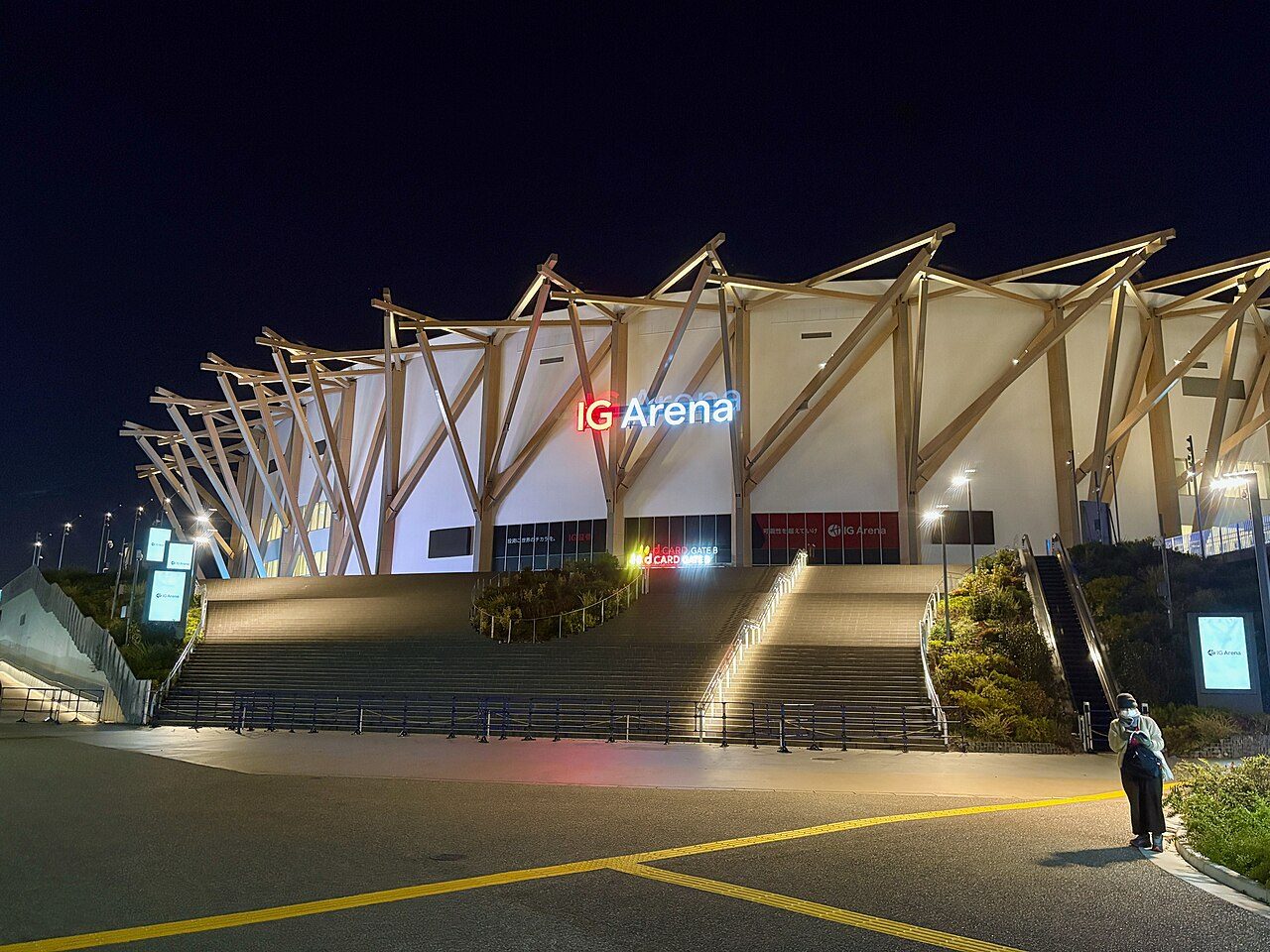
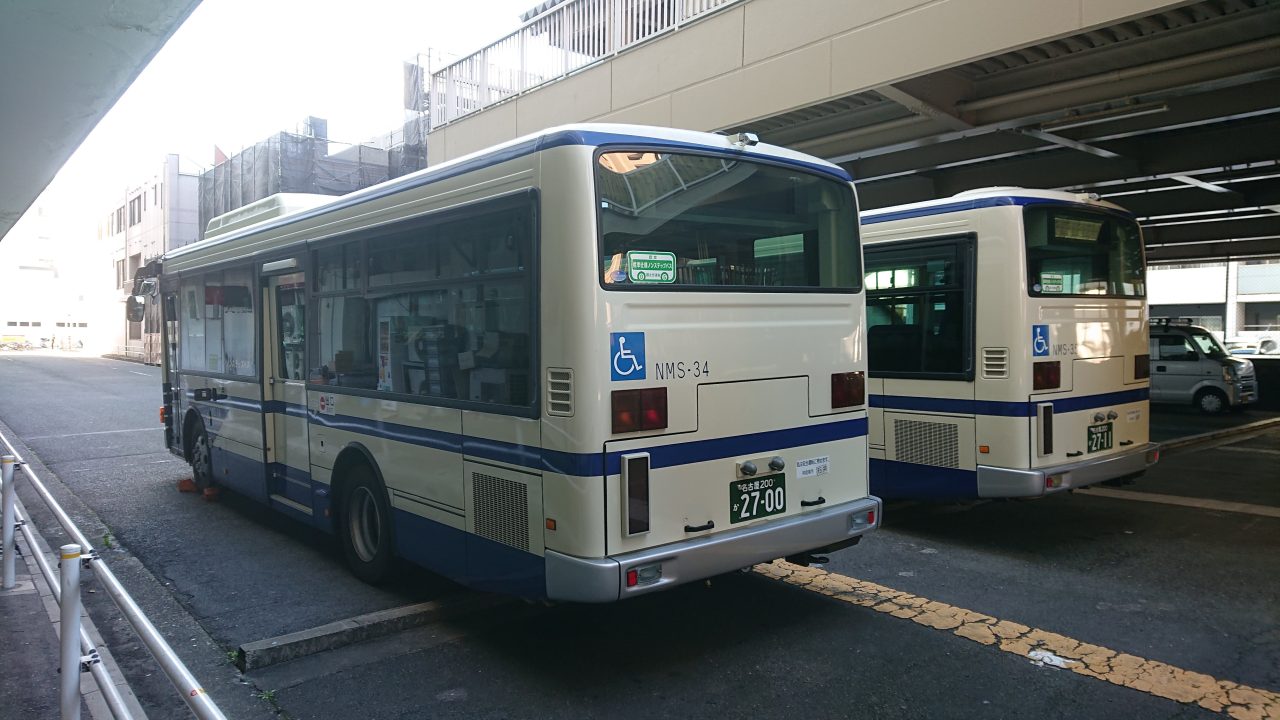
A missed bus can remove part of an athlete's preparation even when the competition itself goes ahead. South Korea's football team reached recovery training in Handa at 10:50 a.m. on September 16, rather than the scheduled 10:30 start, Yonhap reported, citing a team official.
The report also described a separate delay before the Qatar match the previous day, when the driver lost the route. Qatar experienced transport trouble too. These were different incidents: a missing vehicle for training and a route problem before a match.
The concern reached delegation leadership. In a Reuters interview on September 22, South Korean team chief Lee Sang-hyun described the basketball team's missed training bus before the final and called for such administrative failures not to recur.
For international readers, the issue extends beyond a medal result. A team can win while losing planned preparation. Reliable pickup confirmation and usable backups matter before officials declare an event unaffected.
 프리즘코리아 편집국 > Claire Bennett