Nebraska's 157–39 rushing edge framed its 31–13 win at Michigan State
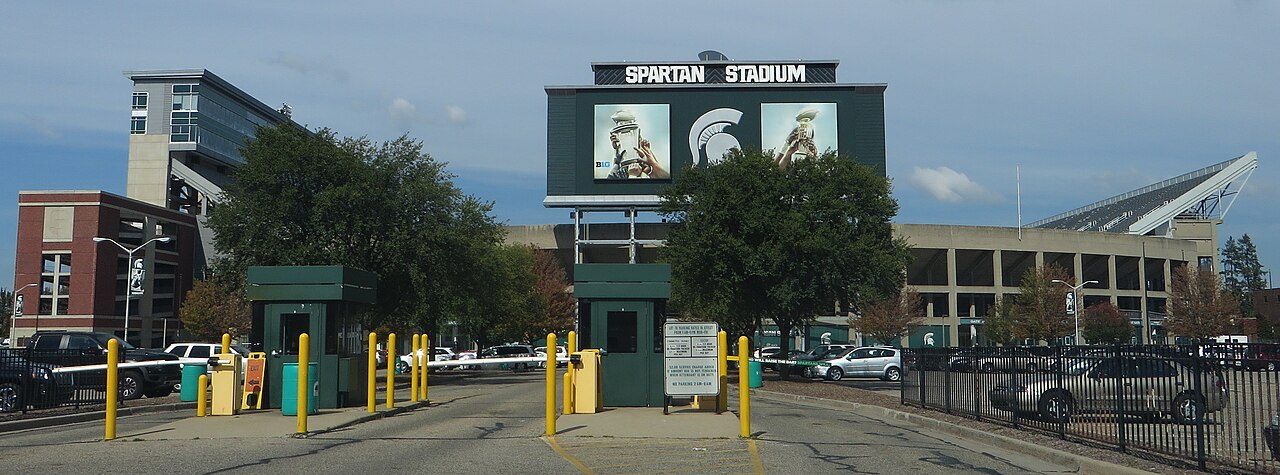
Nebraska and Michigan State each recorded 22 first downs, yet Nebraska won 31–13 and outgained the Spartans 157–39 on the ground. The official scoring log shows two early Nebraska touchdown drives, a Michigan State response before halftime and a 12-play Nebraska touchdown drive after a blocked field-goal attempt. Michigan State back Jaziun Patterson gained 54 rushing yards individually, so the 39-yard team total should not be mistaken for his personal line.
Nebraska’s 31–13 victory at Michigan State on September 26 was not simply a case of one team moving the chains more often. The official game center gives each side 22 first downs. The sharper separation is in what those possessions produced: Nebraska gained 157 rushing yards to Michigan State’s 39, led 24–10 at halftime, and added the only touchdown of the second half. Those figures make the ground-game gap a useful starting point for reading the Big Ten opener, while the scoring sequence shows why yardage alone is not a full explanation.
Michigan State opened the scoring with Liam Boyd’s 48-yard field goal. Nebraska answered after a Michigan State holding penalty negated a blocked punt, allowing the drive to continue. Anthony Colandrea then found Kwazi Gilmer for a 44-yard touchdown pass. That first Nebraska score was not a rushing touchdown; it demonstrates why the final 157–39 rushing comparison must be read alongside special-teams and passing events rather than substituted for them.
The Cornhuskers’ next touchdown drive made the running contribution more direct. Nebraska’s recap credits Mekhi Nelson with a 19-yard run that took the offense deep into Michigan State territory before he scored from four yards. Nebraska led 14–3, then went ahead 17–3 on Kyle Cunanan’s 32-yard field goal after an Owen Chambliss interception set up a short possession. The turnover created field position; the rushing gain and Nelson’s short finish belong to a different scoring drive. Combining them into one explanation would blur how the lead was built.
Michigan State was able to answer once before halftime. Its athletics department records a 10-play, 79-yard touchdown march capped by Jaziun Patterson’s two-yard run, cutting the deficit to 17–10. Nebraska, however, used a 14-play, 74-yard drive for a 13-yard Colandrea pass to Vincent Genatone with two seconds left in the half. The result was a 24–10 break rather than a one-score game. The final score can obscure this middle sequence: the Spartans produced a substantial drive, but the visitors responded before the clock expired.
There is an important distinction inside Michigan State’s rushing figures. The Spartans’ recap credits Patterson with 16 carries for 54 yards, while the official team table lists only 39 rushing yards for Michigan State as a whole. Those are not competing claims about one player. One is an individual total and the other is the team’s net figure. The published materials reviewed here do not justify describing Patterson’s entire afternoon as a 39-yard effort. His touchdown and individual gains were real, even though they did not translate into sustained team rushing production.
Nebraska’s own ground total was shared across more than one contributor. Its recap lists Colandrea at 66 rushing yards and Nelson at 61, while the team reached 157. Colandrea also completed 15 of 27 passes for 212 yards and two scores. This mixture mattered to the interpretation of the contest: the quarterback was a rushing contributor as well as the passer on the Gilmer and Genatone touchdowns. The rushing margin indicates a team advantage, not a claim that every Nebraska point came from a handoff.
Michigan State narrowed the score to 24–13 on Boyd’s 46-yard field goal early in the third quarter. Late in that period it attempted a 52-yard field goal that Nebraska blocked. The Spartans’ official recap then describes a Nebraska possession of 66 yards in 12 plays, ending in Genatone’s one-yard run with 10:05 left. That series converted a moment when Michigan State was trying to move within one possession into an 18-point Nebraska advantage. The blocked kick and subsequent long drive are separate plays, but together they explain the final scoring swing.
The 157–39 rushing margin is therefore informative without being a single-cause verdict. Nebraska paired ground gains with two touchdown passes, benefited from an interception and a negated punt block, and controlled a long fourth-quarter possession. Michigan State had a 79-yard touchdown drive and matched Nebraska in first downs, but finished with one touchdown and two field goals. This article uses the two universities’ original recaps and game statistics to separate team totals, individual rushing lines and the possessions that actually changed the score.
 프리즘코리아 편집국 > Ellis Morgan