Four explosive plays: Campbell explained Goff's short-route choices
Detroit's coach counted four explosive plays against the Jets, yet defended Jared Goff's willingness to take shorter throws. His next-day explanation separates coverage choices from the final score.

Dan Campbell's review of Detroit's 31–24 win over the New York Jets offered a different test of an offense from the usual yardage ranking. Asked on September 28 about a shortage of explosive plays, the Lions coach said he had counted four in the previous day's game. He was not especially concerned. In the team's account of his press conference, Campbell described Jared Goff as willing to accept the shorter outlet when the Jets protected the deeper field.
That explanation matters because four is the coach's count, not a category whose distance threshold the report defines. It should not be turned into a league-wide efficiency ranking. Campbell's point was about choices: a veteran quarterback can move the chains without forcing a longer throw into the coverage presented to him. He also wanted the running game to create more big gains when opponents used two deep defenders to discourage longer passes.
The game totals show what that approach produced, while leaving its limits visible. Detroit's official recap records Goff completing 25 of 32 passes for 269 yards, two touchdowns and no interceptions. His completion rate was 78.125 percent, calculated from those attempts; the team's rounded description was 78 percent. Those figures measure the outcome of his passes. They do not identify every read he made or prove that each short completion was the preferred option in the play design.
The Lions' postgame analysis supplied one concrete reason the short outlet could remain threatening. Goff discussed Jahmyr Gibbs's ability to turn a check-down into a larger gain and how that could affect defensive looks. Gibbs had seven catches for 65 yards, alongside 99 rushing yards. A receiver's gain after a catch can reward an initially conservative throw. That is a possibility discussed by the quarterback, rather than evidence that all seven catches came against an identical defensive arrangement.
Detroit also found a longer gain at a crucial moment. The team's Four Downs report credited Isaac TeSlaa with a 49-yard reception that put the offense in the red zone before Gibbs's winning touchdown catch. A later Lions observations report noted that TeSlaa had received only two targets across the first two games. The shorter-outlet explanation therefore should not become a claim that Detroit abandoned longer passes. Campbell's account describes selective decisions, and TeSlaa's catch illustrates that a large gain remained part of the offense.
Nor does the coach's description establish that an uncomplicated passing plan settled the whole contest. The Jets' recap says the first five combined possessions ended in punts and records sacks of Goff by Andre Cisco and Demario Davis. New York later tied the score before Detroit regained the lead. These facts constrain the tactical reading: successful choices coexisted with stalled possessions and defensive pressure.
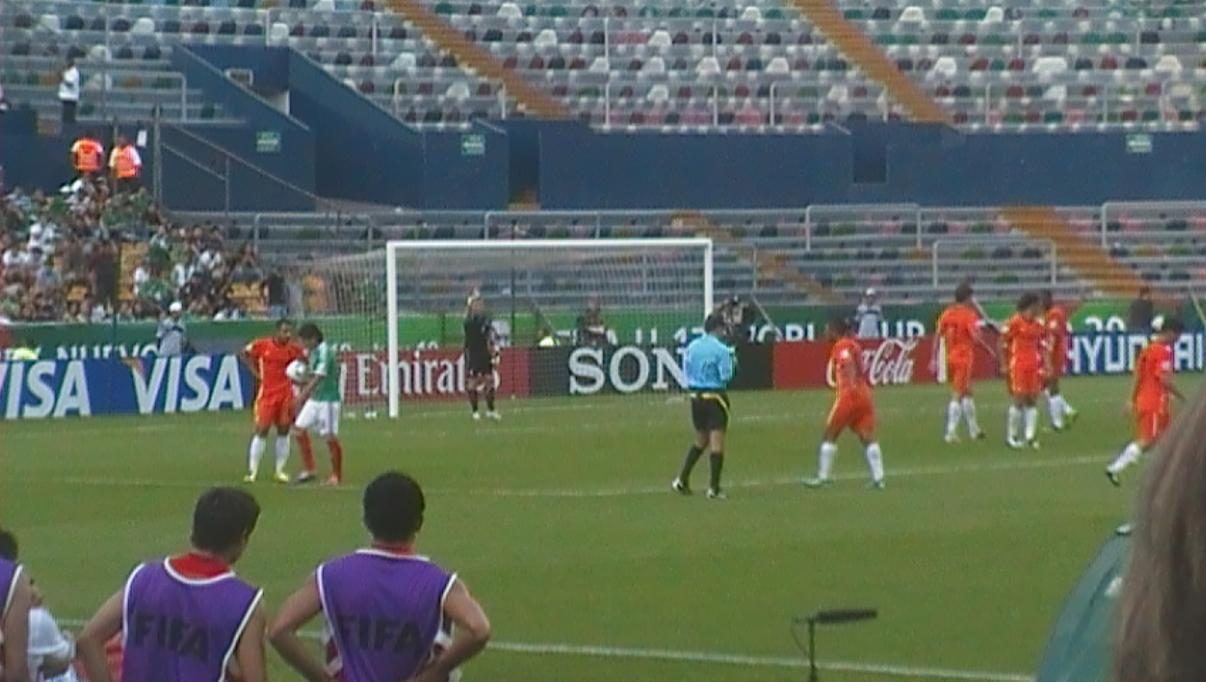
For readers revisiting the September 27 game, the useful distinction is between a reported coaching explanation and a reconstruction of every snap. The Monday statement clarifies why Campbell accepted a modest count of explosive plays. The records support accuracy, a threat after short catches and one major TeSlaa gain; they do not supply a complete coverage map. The accompanying generated illustration represents an abstract passing-choice concept and depicts no actual player, formation or moment from the game.
 프리즘코리아 편집국 > Marcus Vale