Chargers injury cascade moved replacements across the offensive line
Los Angeles finished its 30–23 loss with a changed left tackle, left guard and center after three linemen left injured. The club's account documents replacements, without proving which matchup caused the final turnover.
The Chargers' offensive line changed in stages during their 30–23 defeat at Seattle on October 4. By the end, a replacement who had entered at left guard was playing left tackle, another lineman had moved from center to guard, and a new center had entered. The club's postgame account identifies a sequence of personnel decisions that the final score alone cannot show.
Right tackle Joe Alt left late in the second quarter with a neck injury and was later ruled out. Rookie Travis Burke replaced him. Left guard Trevor Penning then departed in the third quarter with a head injury; rookie Logan Taylor took that position. The third change followed left tackle Rashawn Slater's fourth-quarter ankle injury.
According to the Chargers, Taylor moved out to left tackle, Jake Slaughter shifted to left guard and Jacob Spomer entered at center. Cole Strange stayed at right guard and Burke remained at right tackle. The report says four rookies were playing in front of Justin Herbert by the finish. It records that day's replacements, rather than confirming the lineup for the next game.
For readers following the personnel changes, Taylor's route is the key distinction: he first replaced one player at guard, then moved to a different position after another injury. Counting him only as the replacement for Penning would miss the later rearrangement. The resulting changes also involved Slaughter and Spomer; replacing a tackle was more than a single substitution.
Los Angeles nevertheless brought the margin down to seven points and regained possession with a late chance to level the game. Its official recap says Herbert then lost the ball on a sack and Seattle recovered. That establishes how the comeback ended. Neither a list of replacements nor the turnover itself proves which individual blocking matchup caused it; a stronger attribution would require evidence tied to that play.
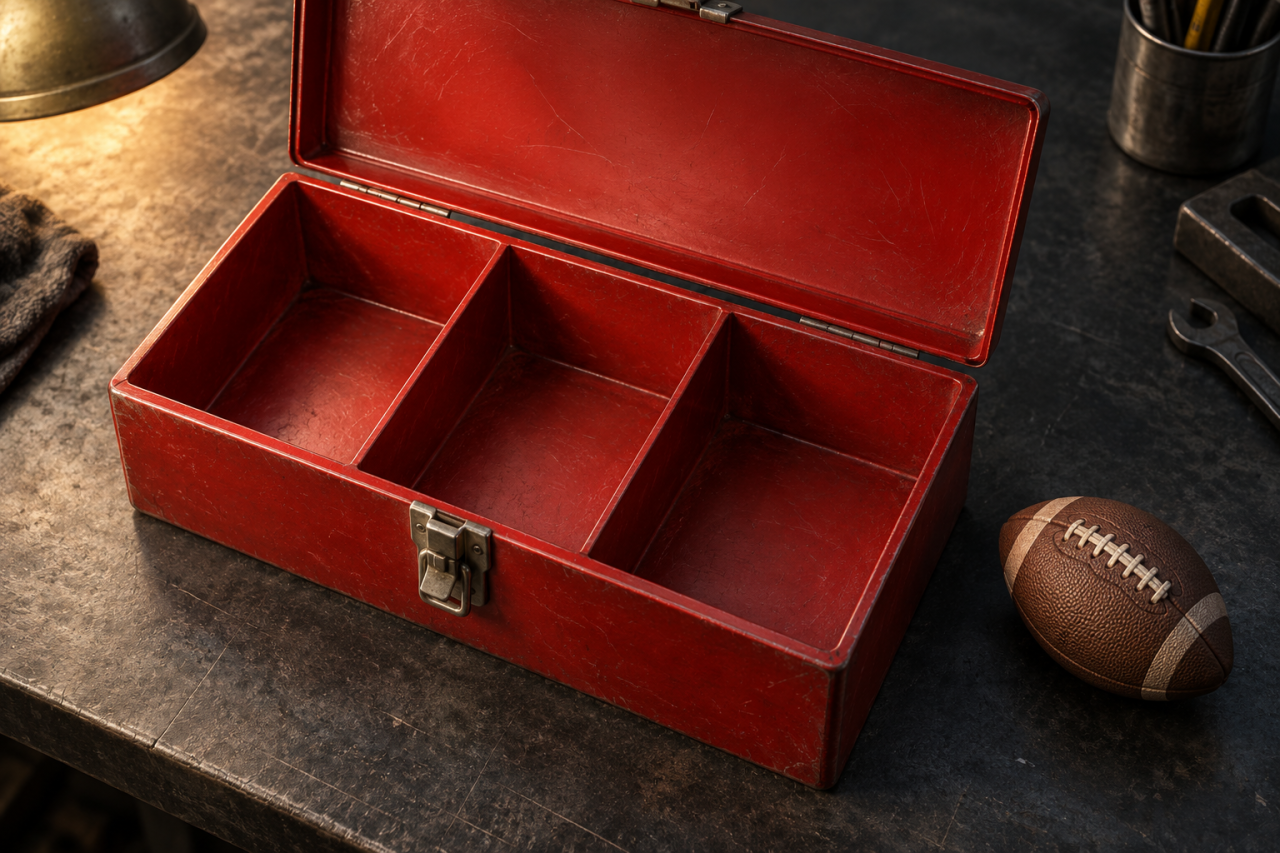
The postgame report documents immediate injuries and positions, but does not establish recovery dates or that the same unit will start next week. The useful next question is which players are available when Los Angeles prepares for Denver, rather than treating emergency substitutions as permanent promotions. The accompanying AI-generated toolbox illustration represents vacant roles and replacements; it does not show players, equipment from the game or an actual formation.
 프리즘코리아 편집국 > Marcus Vale