A strikeout without an out: how the Yankees built their six-run sixth
The Yankees' decisive sixth inning against Boston combined a replay reversal, baserunning, singles, two run-scoring outs and Bellinger's homer. MLB's official event record explains why the opening strikeout did not produce an out.
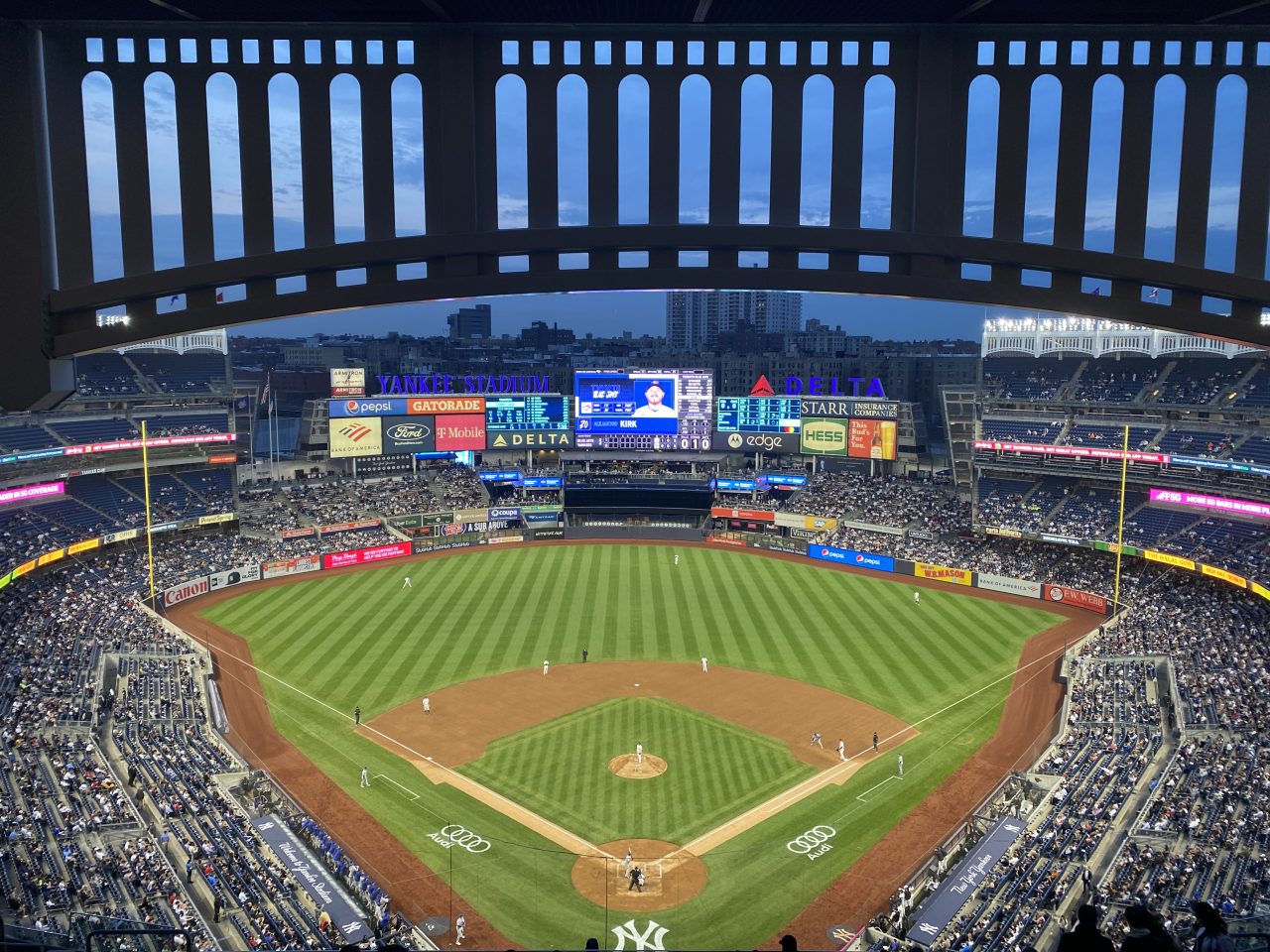
New York's six-run sixth against Boston began with a strikeout that produced no out. In the official record of the September 30, 2026 game, Spencer Jones reached first on a wild pitch after replay overturned the initial ruling. He stole second and advanced to third on a throwing error.
George Lombard Jr.'s single scored Jones. Singles by Jazz Chisholm Jr. and Trent Grisham then loaded the bases. The next two runs came on outs: Austin Wells hit a sacrifice fly, and Ryan McMahon drove in Chisholm with a groundout. Calling every contribution a run-scoring hit would miss how New York advanced runners.
Boston intentionally walked Ben Rice with two outs. Cody Bellinger's three-run homer then moved the score from 5–1 to 8–1. Jones eventually struck out again, this time ending the inning.
The official box score charges Garrett Crochet with four earned runs and zero outs despite one strikeout. That is consistent with Jones reaching safely and inherited runners later scoring. A strikeout and a recorded out are not always the same event.
New York won 9–2. The sequence does not establish that Boston would have escaped without the overturned call. It shows how reaching base, advancing runners and driving them home combined to enlarge a one-run lead. The homer finished the surge; it did not create all six runs.
 프리즘코리아 편집국 > Adrian Navarro